In Islam, charity (Sadaqah) does not require money. The Prophet Muhammad (peace be upon him) taught that every act of goodness is charity. You can give charity without money by smiling at others, performing daily dhikr, removing harm from public pathways, speaking kind words, reconciling disputes, visiting the sick, and volunteering your time or skills for registered charities.
Many Muslims believe they cannot give charity if their finances are tight. Islam rejects this limitation. Allah (SWT) designed His religion with infinite mercy. He rewards righteous actions, physical assistance, and pure intentions just as generously as financial donations.
The Prophet Muhammad (ﷺ) gave us a liberating principle: every act of kindness is Sadaqah.
Whether you are a student, a jobseeker, or simply managing living expenses, you can earn immense rewards every single day.
Discover ten authentic ways to give charity without spending a single pound.
The Prophetic Blueprint: Charity for Every Joint
The human body contains 360 joints. Islamic tradition teaches that we owe a charitable act for each joint every day the sun rises.
The Companions once asked the Prophet (ﷺ) how poor Muslims could fulfill this duty without wealth. He explained that Allah counts your spiritual remembrance, physical aid, and ethical conduct as genuine charity (Sahih Muslim 1009).
When you understand the broader spiritual benefits of giving Sadaqah, you see that Allah measures the sincerity in your heart, not the balance in your bank account.
10 Authentic Ways to Give Charity Without Money
1. Share a Warm, Sincere Smile
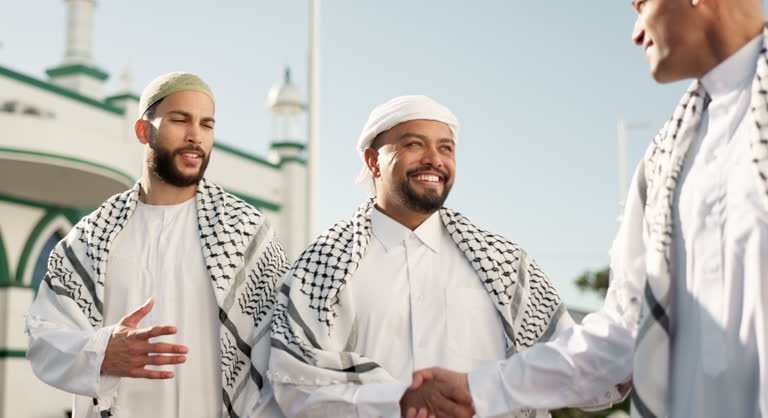
A warm smile softens hearts and spreads peace. It breaks tension and lifts sadness from another person.
The Prophet Muhammad (ﷺ) said: “Your smiling in the face of your brother is charity for you” (Jami` at-Tirmidhi 1956).
You do not need wealth to brighten someone’s difficult morning. Offer a sincere smile to your family, your colleagues, and strangers in your local community. Allah records this simple gesture as an act of worship on your scale of good deeds.
2. Recite Daily Dhikr (Remembrance of Allah)
Your tongue can generate endless spiritual currency. Glorifying Allah cleanses your soul and fulfills your daily charitable dues.
The Prophet (ﷺ) explained that saying SubhanAllah (Glory be to Allah) is charity. Saying Alhamdulillah (All praise is due to Allah) is charity. Saying Allahu Akbar (Allah is the Greatest) is charity. Saying La ilaha illallah (There is no god but Allah) is charity.
Make this your daily habit. Utter these phrases during your morning commute, while walking, or while resting at home.
3. Remove Obstacles and Hazards from the Path
Clearing danger from public spaces protects people from harm. It also protects animals and vehicles.
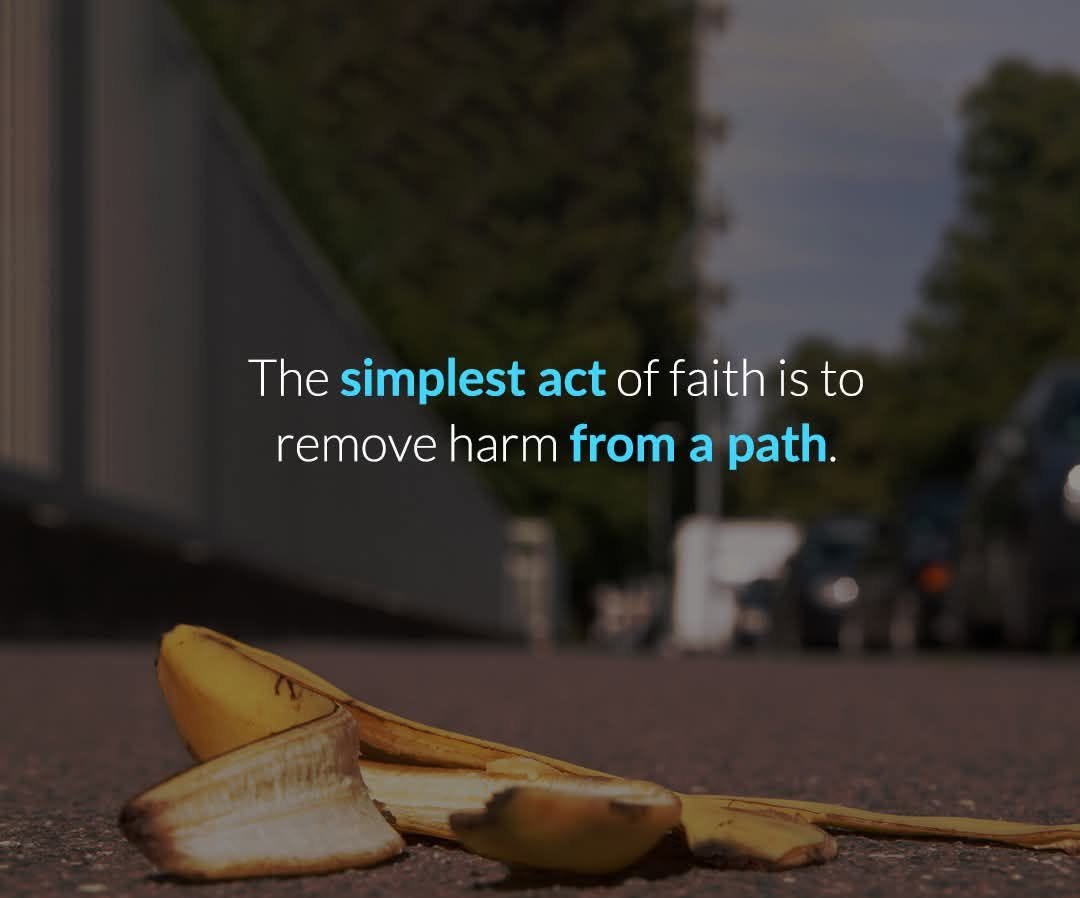
Islam considers moving a sharp stone, broken glass, low-hanging branch, or litter from a road as authentic Sadaqah. This deed reflects the Islamic value of social responsibility (Ihsan).
You keep public streets clean, safe, and welcoming. You show respect for your community. Allah rewards you for every step you take while removing danger from someone else’s path.
4. Speak Kind Words and Reconcile Broken Relationships
Words carry immense weight in Islam. A comforting word can save a person from despair.
The Prophet (ﷺ) declared: “A good word is charity” (Sahih al-Bukhari 2989).
Use your speech to build, not destroy. Speak gently to your parents. Compliment a struggling friend. Express gratitude to retail workers.
Furthermore, mediating between two disputing family members or friends counts among the highest non-monetary charities in Islam. You replace discord with mutual mercy.
5. Volunteer Your Skills to a Registered Charity
If you want to know how to help charities without donating money, donate your professional talent instead.
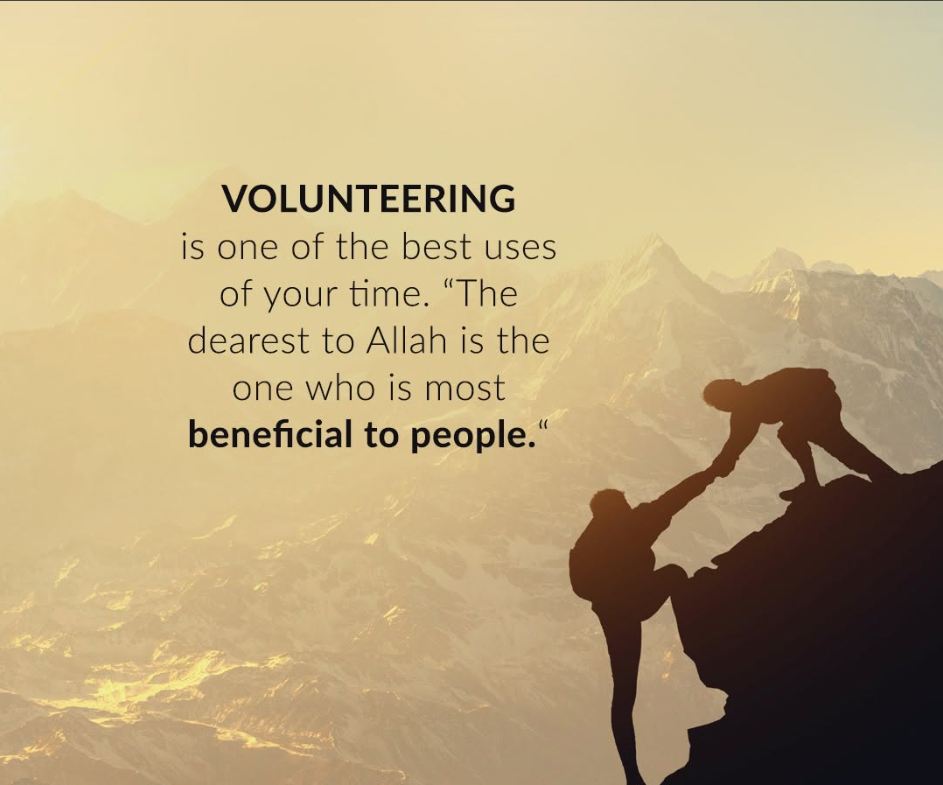
UK-registered charities need digital marketers, graphic designers, copywriters, logistics coordinators, and warehouse volunteers. Giving five hours of your specialized skill can save a charity hundreds of pounds in operational expenses.
Always verify that you support an organisation regulated by the Charity Commission for England and Wales. Your donated hours directly help charities pack emergency food parcels, organise winter kits, and manage relief logistics for families in crisis.
6. Amplify Emergency Relief Appeals Online
You might not have money to donate to an emergency appeal today, but your voice holds power.
The Prophet (ﷺ) said: “Whoever guides someone to goodness will have a reward like the one who did it” (Sahih Muslim 1893).
When you share an urgent appeal on WhatsApp, Instagram, TikTok, or LinkedIn, your post may reach someone with the financial means to donate. You share in the spiritual reward of every meal purchased and every life saved through that appeal.
7. Teach Beneficial Knowledge and Mentor Others
Sharing practical or religious knowledge creates ongoing rewards. If you teach someone how to recite Surah Al-Fatiha correctly, you earn rewards every time they recite it in prayer.
Knowledge is not limited to scripture. You can mentor a university student, teach basic computer skills to an elderly neighbour, or tutor an orphan.
This noble deed falls under continuous charity. To understand how non-monetary knowledge creates lasting blessings after death, read our detailed guide to Sadaqah Jariyah frequently asked questions.
8. Visit the Sick and Pray for Their Recovery
Visiting a sick person brings comforting solace to an aching heart. It also attracts seventy thousand angels who pray for your forgiveness until the evening.
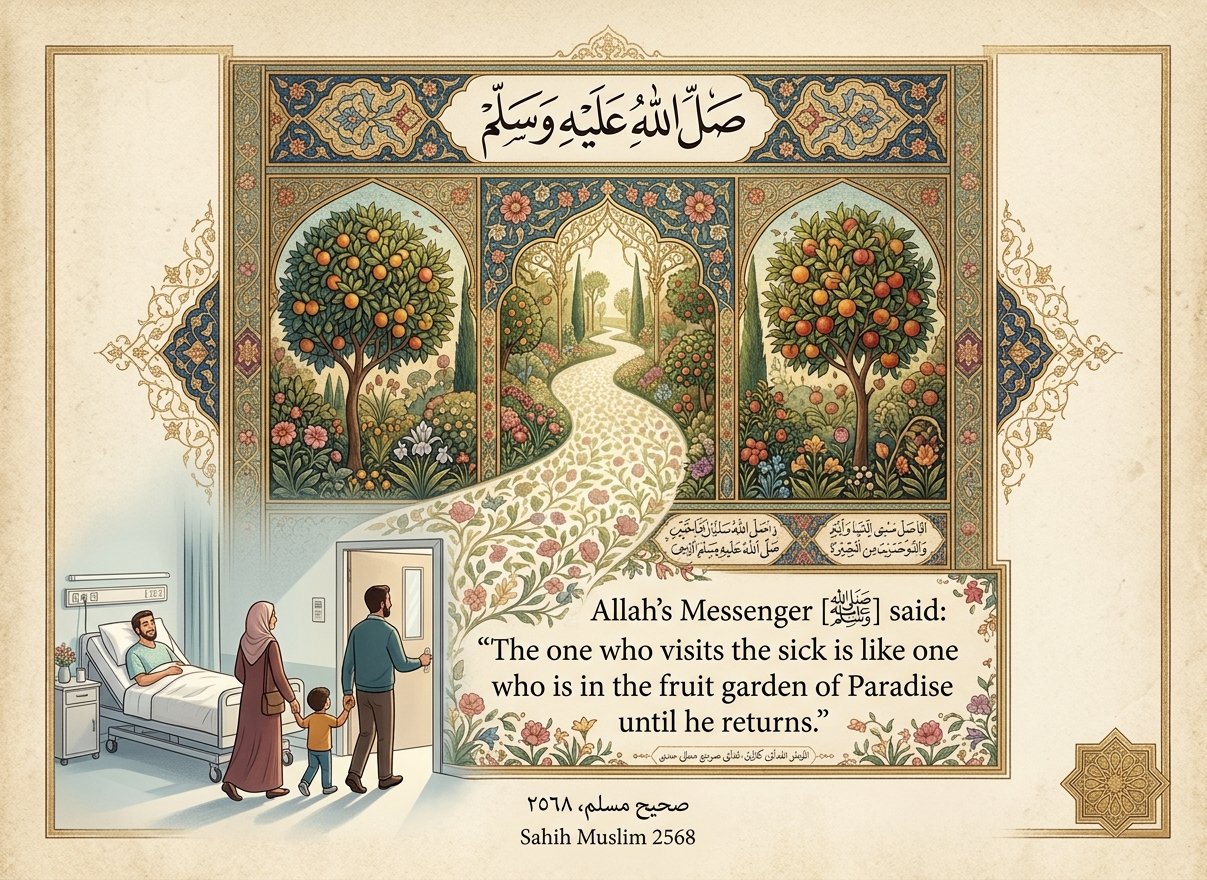
When you visit a patient in a hospital or check on an ill neighbour, you fulfill a vital Islamic obligation. Offer sincere supplications (Dua) for their health.
If illness affects your own household, remember that physical care paired with prayer serves as a shield. Many Muslims combine daily care with spiritual giving by learning about Sadaqah for Shifa and healing.
9. Assist Vulnerable Neighbours and Family
Physical labour can be a profound charitable offering. Helping an elderly neighbour carry heavy grocery bags is Sadaqah. Helping a stranded motorist change a flat tire is Sadaqah.
The Prophet (ﷺ) stated that helping a person mount their animal or loading their luggage upon it is charity.
Extend this mercy to your domestic life. Washing dishes, preparing meals, and easing your spouse’s daily exhaustion are all recorded as charitable deeds in your divine ledger.
10. Plant a Tree or Share Water
Caring for the environment and supporting life yields continuous rewards.
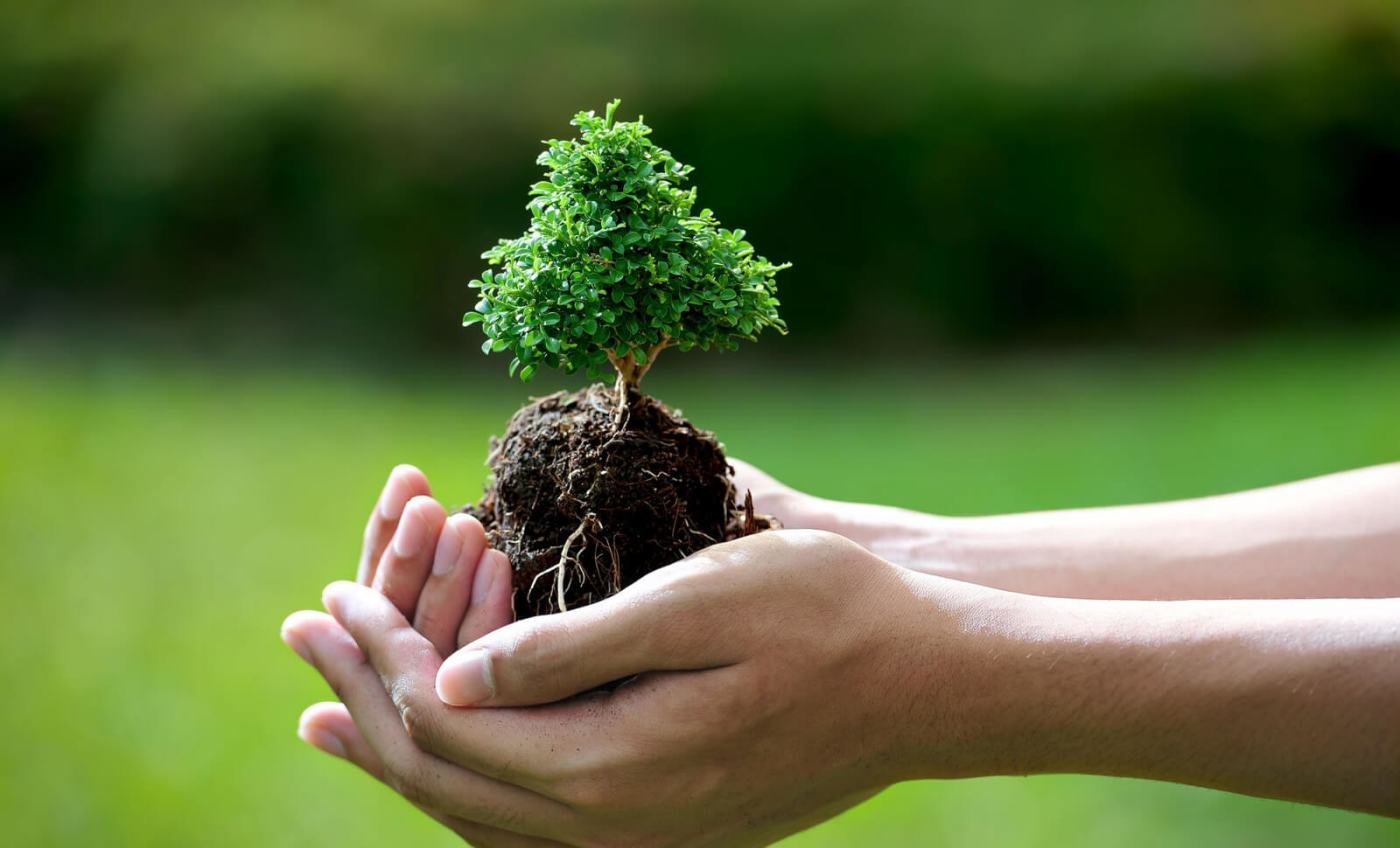
The Prophet (ﷺ) taught that whenever a Muslim plants a tree or sows seeds, and birds, humans, or animals eat from it, it counts as Sadaqah (Sahih al-Bukhari 2320).
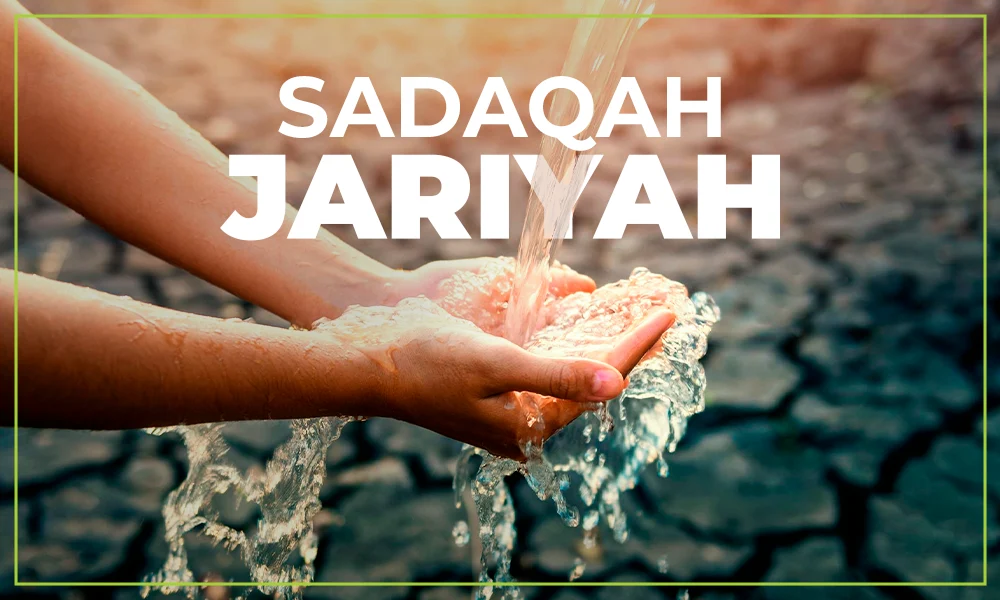
Planting a shade tree or filling a bowl of water for street birds costs almost nothing. When donors later gain the financial means, they often expand this Sunnah by choosing to donate a water well in memory of late parents, securing endless rewards for their loved ones.
How to Multiply Your Impact When You Are Ready to Give
Charity without money allows you to earn rewards every hour of the day. As your financial situation improves, pairing non-monetary deeds with small financial donations multiplies your blessings exponentially.
You do not need large sums to make a difference. Even donating £1 or £5 on special days carries profound weight.
- Learn why giving charity on Friday carries multiplied virtues according to the Sunnah.
- Join thousands who automate tiny contributions through our weekly Friday charity fund.
- Ensure your online donations remain secure by following our practical advice on how to give Sadaqah online safely in the UK.
Frequently Asked Questions
Can poor Muslims earn as much reward as wealthy donors?
Yes. The Prophet Muhammad (ﷺ) taught that your sincere intention (Niyyah) equals the reward of the giver. If you sincerely desire to feed the hungry but lack wealth, Allah grants you the reward of your righteous intention.
Does helping at home count as Sadaqah?
Yes. Serving your parents, assisting your spouse, and showing tenderness to your children count as acts of Sadaqah. The Prophet (ﷺ) noted that even a morsel of food you place into your spouse’s mouth earns a divine reward.
What is the best charity without money in Islam?
The best non-monetary charity depends on circumstance. In social settings, reconciling two disputing parties carries immense virtue. In solitary moments, abundant Dhikr and seeking forgiveness (Istighfar) remain supreme. When emergencies strike, spreading awareness and volunteering save lives.
Join Hands with Your Impact Foundation
Your Impact Foundation operates with a strict 100% donation policy. We deliver emergency food packs, medical supplies, clean drinking water, and orphan sponsorships across Gaza, Yemen, Sudan, and Pakistan. Whether you support our mission with your time, your social shares, or your donations, you help save lives.