Ramadan is a month of restraint, prayer, and action. It is also a month when hardship feels heavier for those already living under siege.
Families in Gaza and Yemen enter Ramadan with empty cupboards, damaged homes, and limited access to aid. Borders remain tight. Supplies move slowly. Prices stay high. Needs grow each day.
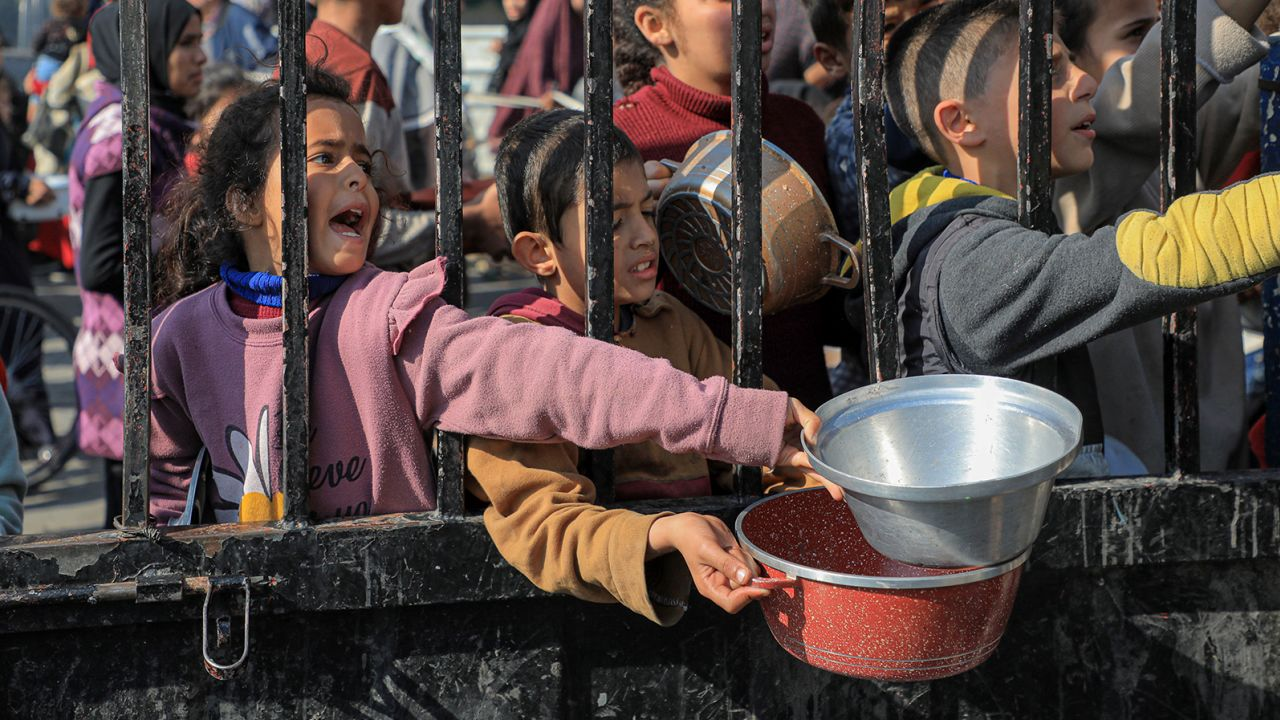
Many donors ask a fair question. How does your Ramadan donation reach places this restricted?
This is the story of how aid moves when roads are blocked, systems collapse, and time matters.
Ramadan Giving Is Not Symbolic
Zakat and sadaqah are acts of worship. They are not symbolic gestures. Allah commands believers to give wealth to those in hardship.
“Zakat expenditures are only for the poor and the needy…” (Qur’an 9:60)
This command applies even when delivery feels difficult. Especially then.
Your Impact Foundation plans Ramadan aid with this reality in mind. Every decision focuses on speed, access, and dignity.
Access Starts Before the Donation
Aid delivery does not begin at the border. It starts months earlier.
Restricted areas require preparation long before Ramadan begins. Aid organisations that wait for open crossings fall behind. Those with local presence move faster.
Your Impact Foundation works through trusted local partners already inside affected regions. These teams live in the communities they serve. They understand shifting frontlines, supply gaps, and safe routes.
This approach reduces reliance on last-minute border approvals and long-distance transport.
When conditions allow, supplies move in. When they do not, aid still reaches families.
Why Local Partners Matter in Gaza and Yemen
Gaza and Yemen face different restrictions, yet both share one reality. External access changes daily.
Local partners remain when international staff cannot enter. They know which markets still function. They know which roads remain passable. They know which families lost income yesterday.
This local presence allows aid to adapt.
In Gaza, where banking systems struggle, partners often rely on cash-based support or locally sourced goods. In Yemen, where fuel shortages disrupt transport, aid routes shift constantly.
Local teams adjust without delay. Allah reminds believers of this responsibility.
“And they give food, in spite of love for it, to the needy…” (Qur’an 76:8)
That giving happens person to person, not from a distance.
Cash Assistance Reaches Faster Than Trucks
In heavily restricted areas, trucks face delays. Cash moves quicker. Cash assistance allows families to buy food, water, and medicine when goods appear in local markets. It also supports small traders who keep markets alive under pressure.
This method avoids long storage delays and reduces spoilage. It respects family choice and urgency. During Ramadan, this matters even more. Families need food for iftar. Children need nutrition after long fasts. Medical needs do not pause.
Your donation often becomes food within days, not weeks.
What Happens When Borders Close
Some donors worry that aid stops when borders close. It does not.
When crossings shut, Your Impact Foundation relies on pre-positioned supplies and local purchasing. Warehouses inside regions store essential items ahead of time when possible.
Local sourcing fills gaps when external shipments halt. This keeps aid flowing even under siege. This approach also lowers transport risks and delays.
“And whoever saves one life, it is as if he saved all of mankind.” (Qur’an 5:32)
Saving lives often depends on preparation, not luck.
How Aid Moves Inside Gaza
Movement inside Gaza remains dangerous and limited. Aid teams work within small zones to reduce risk. Supplies move short distances. Distribution points change frequently. Volunteers adapt daily schedules based on security updates.
In many cases, aid reaches families through community networks rather than large public distributions. This lowers exposure and keeps assistance discreet. Cash and vouchers reduce crowding. Home deliveries support the elderly and injured.
This is slow work. It is careful work. It saves lives.
Yemen’s Different Barriers
Yemen’s crisis looks quieter, yet restrictions run deep. Ports face inspection delays. Fuel shortages disrupt transport. Inflation reduces purchasing power.
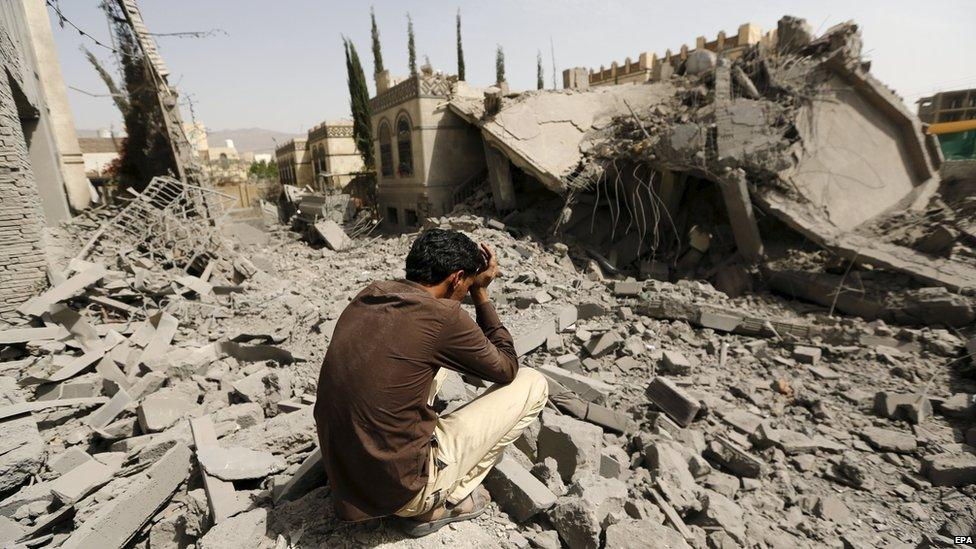
Local partners again form the backbone of delivery. They track market prices, supply gaps, and displacement patterns.
During Ramadan, food assistance focuses on staples that store well. Cash support offsets rising costs. Medical aid prioritises malnutrition and chronic illness.
Your Ramadan donation meets needs shaped by local reality, not generic plans.
Why Aid Cannot Always Move Fast
Honesty builds trust. Aid does not move instantly every time. Security checks delay trucks. Roads close without notice. Supplies sometimes wait days at crossings.
These delays cost time and lives. Your Impact Foundation does not hide this reality. It plans around it.
Local delivery reduces dependence on one route. Cash support avoids blocked roads. Pre-positioning reduces waiting. Still, some delays remain unavoidable.
“And Allah is Gentle with His servants.” (Qur’an 42:19)
Mercy includes patience when paths narrow.
Zakat Distribution Under Restriction
Zakat carries specific rules. It must reach eligible recipients.
Your Impact Foundation applies strict Zakat compliance, even in emergencies. Local teams verify need through community records and direct assessment.
Widows, orphans, displaced families, and those without income receive priority. Records remain confidential to protect dignity and safety.
Your Zakat does not disappear into general funds. It reaches those Allah named.
“Take from their wealth charity by which you purify them…” (Qur’an 9:103)
Purification requires trust and care.
Ramadan Multiplies Impact
Ramadan changes urgency. Food demand rises at sunset. Water shortages feel sharper. Health risks increase for children and the elderly.
Aid plans adjust for fasting hours and prayer times. Distributions avoid long queues. Volunteers work late into the night.
Your donation during Ramadan supports both survival and worship. Families break fast with dignity. Children sleep fed. Parents worry less. This impact continues beyond the month.
Accountability Without Compromise
Transparency matters, even under pressure. Your Impact Foundation tracks aid delivery through partner reporting, spot checks, and beneficiary confirmation. These systems adapt to security limits without exposing recipients.
Reports focus on outcomes, not optics. You give. Aid moves. Families receive help. This chain remains intact even when borders strain.
Why This Work Continues
Aid delivery to Gaza and Yemen tests endurance. Restrictions change. Risks remain. Yet Ramadan reminds believers of duty beyond comfort.
“The most beloved deeds to Allah are those done consistently.” (Hadith)
Consistency saves lives when headlines fade.
Your Ramadan donation does not vanish into complexity. It moves through prepared hands, local knowledge, and faith-driven responsibility.
It reaches homes that feel forgotten. It arrives where patience wears thin. And it carries mercy where mercy feels scarce.