
Charity is an important part of life in Islam. It is an act of kindness and a way to purify one’s wealth. Two of the most well-known forms of charity in Islam are Zakat and Sadaqah.
While both involve giving to others, they are different in many ways. Zakat is a required act of charity, while Sadaqah is voluntary and can be given at any time. Understanding the differences between them is important because they both offer unique benefits to both the giver and the receiver.
In this blog, we will explain what Zakat and Sadaqah are, how they differ, and why they are so important in Islam. We will also share how you can easily donate Sadaqah online, making it simple to help others from anywhere.
Let’s explore how these beautiful acts of charity can bring us closer to Allah and help build a better world.
What is Zakat?
Zakat is one of the Five Pillars of Islam, making it an essential act of worship. Which means it is a required act for every Muslim. Zakat helps purify a person’s wealth by giving a portion of it to those in need. The amount Muslims must give is 2.5% of their savings each year.
Zakat is a way to help those who are poor and struggling, and it is meant to reduce the gap between the rich and the poor.To pay Zakat, one must have enough wealth to meet the Nisab threshold. The Nisab is calculated from 87.48 grams of gold or 612.36 grams of silver. If a Muslim has wealth equal to or above this amount, they are required to give Zakat.
Zakat is more than just charity. It is a spiritual act that purifies the wealth and heart of the giver. It encourages kindness, generosity, and social responsibility. When Muslims give Zakat, they are not only helping others, but they are also getting closer to Allah. Zakat is a way to show gratitude for the blessings Allah has given and to make the world a fairer place for everyone.
What is Sadaqah?
Sadaqah is voluntary charity in Islam. Unlike Zakat, which is mandatory, Sadaqah is given freely by anyone who wants to help others. It can be given at any time and in any amount. There are no set rules for how much or when to give, so it depends on what you can afford.
Sadaqah can be money, food, or even a kind act, like helping someone carry something or offering a smile. Every small good deed counts as Sadaqah.
One of the beautiful things about Sadaqah is that it doesn’t have to be big to make a difference. Even small acts of kindness, like being patient or saying a kind word, are considered Sadaqah.
Giving Sadaqah brings happiness and peace to both the giver and the receiver, and it helps create a more caring and supportive community.
10 Key Differences Between Zakat and Sadaqah
In Islam, Zakat is an obligatory charity, while Sadaqah is voluntary. Both aim to help those in need and promote kindness, but understanding their differences is essential for fulfilling one’s duties.
Let’s go through the 10 main differences between Zakat and Sadaqah:
- Zakat has a fixed amount — 2.5% of savings annually. Sadaqah, however, can be given in any amount, depending on what the giver can afford.
- Zakat is compulsory, while Sadaqah is voluntary. Every eligible Muslim must pay Zakat, but giving Sadaqah is up to the individual.
- Zakat must be given to specific categories of people (e.g., the poor, the needy, debtors). Sadaqah can be given to anyone in need.
- Zakat purifies wealth, while Sadaqah is a voluntary act of kindness that helps others and strengthens one’s connection with Allah.
- Zakat is given once a year. Sadaqah can be given at any time and as often as a person wishes.
- Zakat must be given by Muslims whose wealth exceeds the Nisab threshold. Sadaqah can be given by anyone, regardless of their financial situation.
- Zakat ensures that wealth is redistributed among the needy, promoting social justice. Sadaqah can be a personal act of charity, with immediate and long-lasting effects, especially in the case of Sadaqah Jariyah (ongoing charity).
- Zakat is limited to the wealthy. Sadaqah has no such restrictions and can be given by anyone, regardless of their financial status.
- Zakat is a formal act of worship, with a specific method of calculation. Sadaqah is informal and can be anything from a kind word to monetary support.
In essence, Zakat is a mandatory charity, while Sadaqah is voluntary. Both Zakat and Sadaqah offer unique benefits and help Muslims make a positive impact on society while strengthening their connection with Allah.
Benefits of Zakat and Sadaqah
Zakat and Sadaqah both bring many benefits to the giver and the receiver. These acts of charity help purify wealth and spread kindness in society. Allah mentions in Surah Al-Baqarah (2:261) that those who spend their wealth for His cause will receive great rewards, like a single grain that grows into seven ears, each containing a hundred grains, showing the immense blessings of giving.
The main benefit of Zakat is that it purifies a person’s wealth. By giving 2.5% of their savings, Muslims ensure that their money is clean and blessed. Zakat helps reduce poverty by supporting those who are struggling. It creates fairness in society by redistributing wealth from the rich to the poor. Paying Zakat also brings spiritual rewards, bringing the giver closer to Allah and teaching them humility.
On the other hand, Sadaqah is a voluntary act of kindness. It can be given at any time and in any amount, making it a flexible way to help others. Whether it’s money, food, or even a kind word, Sadaqah brings joy to both the giver and the receiver. Giving Sadaqah helps build a compassionate community and strengthens the bonds between people. It is also a way to earn rewards from Allah, with each good deed counted as charity.
Another great benefit of Sadaqah is Sadaqah Jariyah, which is ongoing charity. This could be building a well, a school, or planting a tree—actions that continue to benefit others long after they are done.
Both Zakat and Sadaqah teach generosity and selflessness. They purify hearts and create a sense of responsibility to help those in need. By practicing these acts of charity, Muslims can make the world a better, more caring place.
What Does Prophet Muhammad Say About Sadaqah?
Prophet Muhammad (PBUH) often spoke about the importance of Sadaqah and encouraged Muslims to give freely to those in need. Here are a few of his sayings about Sadaqah:
- “Charity does not decrease wealth.” (Sahih Muslim)
This means that no matter how much you give, Allah will reward you abundantly, and your wealth will never diminish. - “Every act of kindness is charity.” (Sahih Muslim)
This Hadith highlights that even simple gestures like a smile, helping someone carry something, or speaking kindly are acts of Sadaqah. - “The best of people are those who are most beneficial to others.”
This saying emphasizes that true greatness lies in helping others, whether through Zakat or Sadaqah. - “When a person dies, his deeds come to an end except for three: a continuing charity (Sadaqah Jariyah), beneficial knowledge, and a righteous child who prays for him.” (Sahih Muslim)
This Hadith highlights the lasting impact of Sadaqah Jariyah, where acts of charity continue to benefit others long after the giver has passed away.
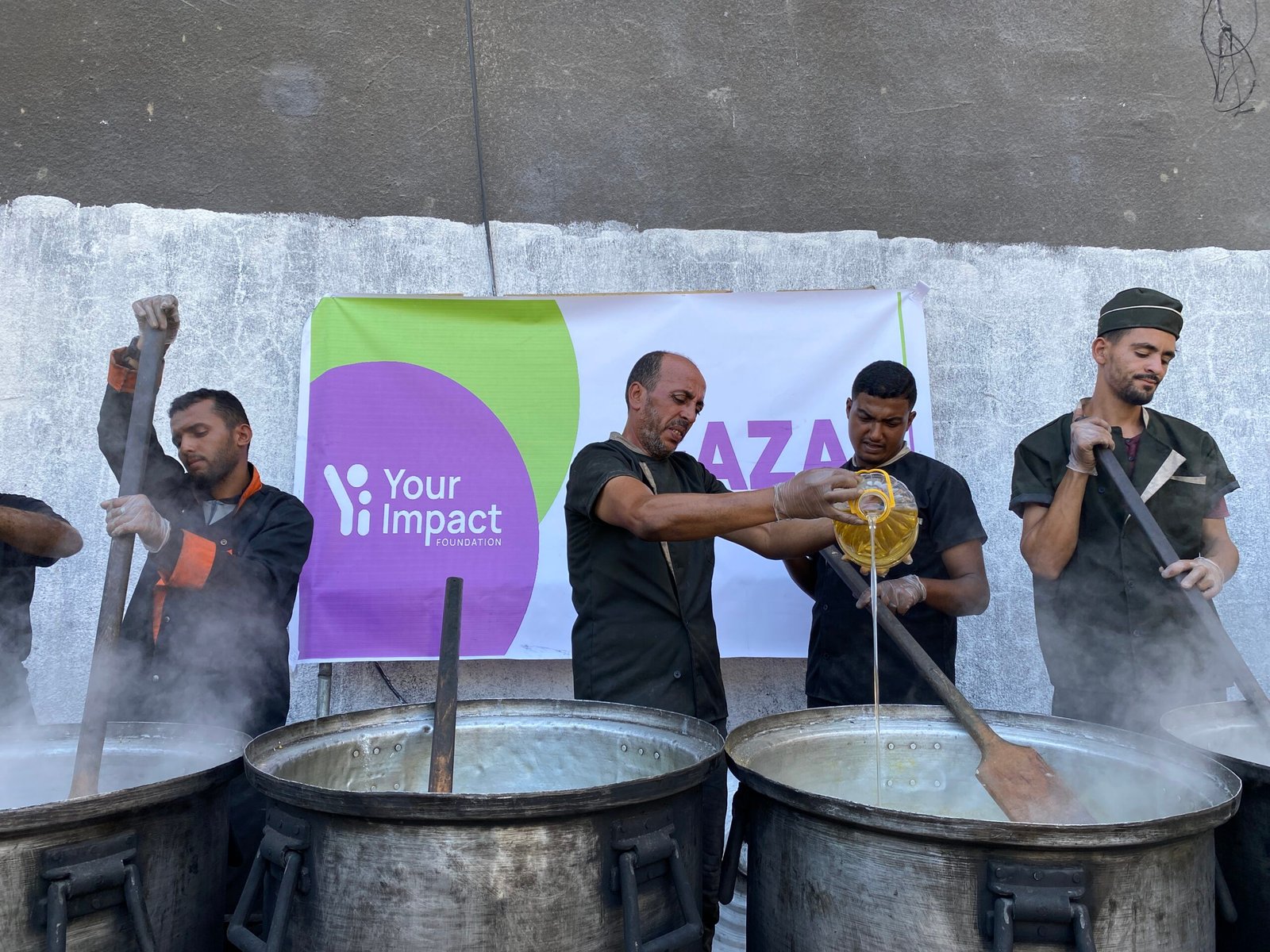
Conclusion
In Islam, both Zakat and Sadaqah are important ways to help others and clean our wealth. Zakat is something every eligible Muslim must give, while Sadaqah is optional and can be given whenever someone wants to help. Both acts bring us closer to Allah and help make the world a kinder place.You can even start by giving Sadaqah online, making a difference no matter where you are.
Zakat ensures that those who have more help those who have less, creating fairness in society. On the other hand, Sadaqah can be given at any time, no matter how small. It spreads kindness and builds stronger bonds between people. Even small acts of kindness count, and Sadaqah Jariyah (ongoing charity) continues to benefit others long after it’s given.
Prophet Muhammad (PBUH) taught us that charity is not just about money. Every good deed, like smiling or helping someone, is also a form of Sadaqah. By practicing both Zakat and Sadaqah, we can make a positive impact on our communities and earn great rewards from Allah.
FAQ:
What is the difference between Zakat and Sadaqah?
Zakat is a mandatory charity that Muslims must pay annually, while Sadaqah is voluntary and can be given at any time in any amount.
Who is required to pay Zakat?
Muslims who have wealth above a certain amount (called Nisab) are required to pay Zakat. This includes savings, assets, and investments.
How much is Zakat?
Zakat is 2.5% of your savings and wealth, which must be given to those in need once a year if you meet the Nisab threshold.
Can I give Sadaqah instead of paying Zakat?
No, Sadaqah is voluntary, while Zakat is obligatory for eligible Muslims. Both forms of charity complement each other.
Can I donate Sadaqah online?
Yes, you can easily donate Sadaqah online through many trusted charity platforms, making it simple to help others from anywhere.
Who can receive Zakat?
Zakat can only be given to specific groups, such as the poor, the needy, debtors, and other categories mentioned in the Quran.
What is Sadaqah Jariyah?
Sadaqah Jariyah is a form of ongoing charity that continues to benefit others, such as building a well or a school, even after the giver has passed away.
Can children give Sadaqah?
Yes, children can give Sadaqah. Charity is a beautiful act that can be practiced by anyone, regardless of age.