Sudan continues to face a severe humanitarian emergency driven by conflict, displacement, hunger, and restricted access to essential services. In May 2026, the Integrated Food Security Phase Classification (IPC) reported that approximately 19.5 million people in Sudan were facing acute food insecurity. It also identified 14 areas at risk of famine under a worsening scenario.
For families forced to leave their homes, finding enough food and safe drinking water can become a daily challenge. Many have lost their income, homes, farmland, or access to local markets. Families who cross the border also need shelter, healthcare, sanitation, and protection.
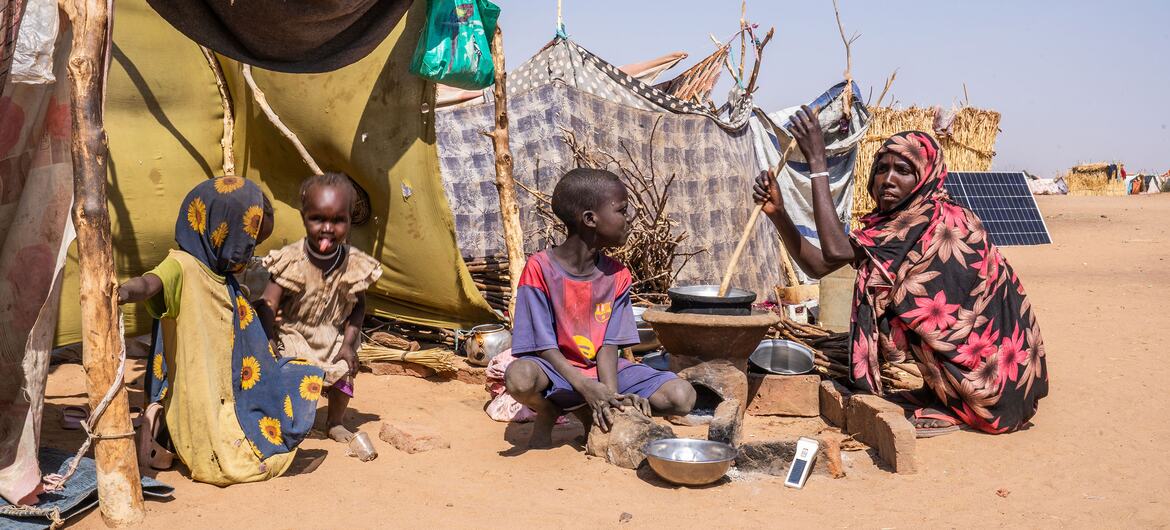
The Sudan famine appeal aims to help address these urgent needs through emergency food assistance, clean water support, and other essential relief. Your donation can contribute to this response by helping humanitarian programmes support families affected by the crisis.
Through Your Impact Foundation’s Sudan emergency appeal, you can explore ways to support emergency relief for vulnerable families.
The World’s Largest Displacement Crisis in 2026
Sudan’s conflict has forced millions of people to leave their homes. Some have moved to other parts of the country, while others have crossed international borders to seek safety.
Displacement creates more than a housing problem. It can separate families from their livelihoods, disrupt children’s education, and make it harder to access food, clean water, and healthcare.
How Many People Need Help in Sudan?
The scale of the emergency remains immense.
| Humanitarian indicator | Reported figure | What it means |
|---|---|---|
| People facing acute food insecurity | Approximately 19.5 million | Many households cannot reliably meet their food needs |
| People in IPC Phase 5: Catastrophe | Approximately 135,000 | These people face the most extreme levels of food insecurity |
| Children under five projected to experience severe acute malnutrition in 2026 | Approximately 825,000 | Nutrition treatment and prevention remain urgent |
| Areas identified at risk of famine in the May 2026 IPC analysis | 14 areas | Conditions could deteriorate further if key risks worsen |
Figures are drawn from the IPC’s 2026 analysis. They refer to different indicators and periods, so they should not be added together. The IPC also warns that conflict and limited access can restrict data collection in the hardest-hit locations.
These figures describe a national emergency, but conditions vary considerably between locations. Some communities have experienced improved access to markets and supplies, while parts of Darfur and Kordofan continue to face severe food insecurity and major access barriers.
That is why aid organisations need current information about where people are located, what they need, and whether supplies can reach them safely.
Why Are So Many Families Displaced?
The conflict that began in April 2023 between the Sudanese Armed Forces and the Rapid Support Forces has damaged homes, disrupted markets, and restricted access to essential services.
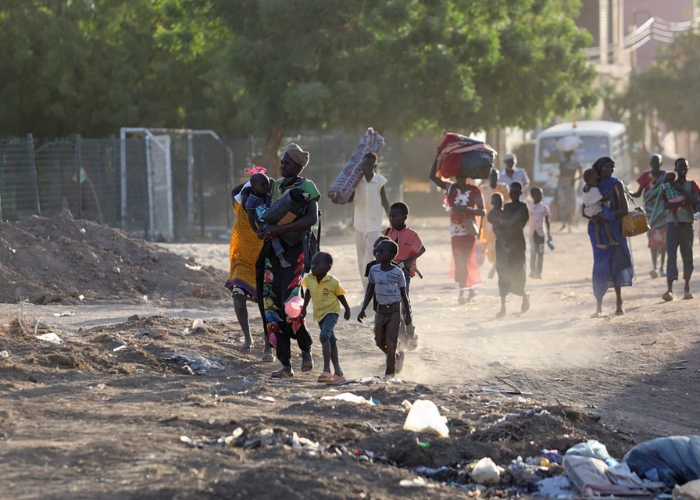
People may leave because their neighbourhoods become unsafe, local services stop functioning, or they can no longer obtain enough food and water. Others flee several times as conditions change.
Displaced families often arrive in communities that already have limited resources. Host families and local services may struggle to provide enough food, accommodation, clean water, and medical care for everyone.
Emergency support therefore needs to help both displaced people and vulnerable communities hosting them.
Why Children, Pregnant Women and Older People Need Special Support
Children are particularly vulnerable when households cannot obtain enough nutritious food. Poor nutrition can affect growth, development, and resistance to illness.
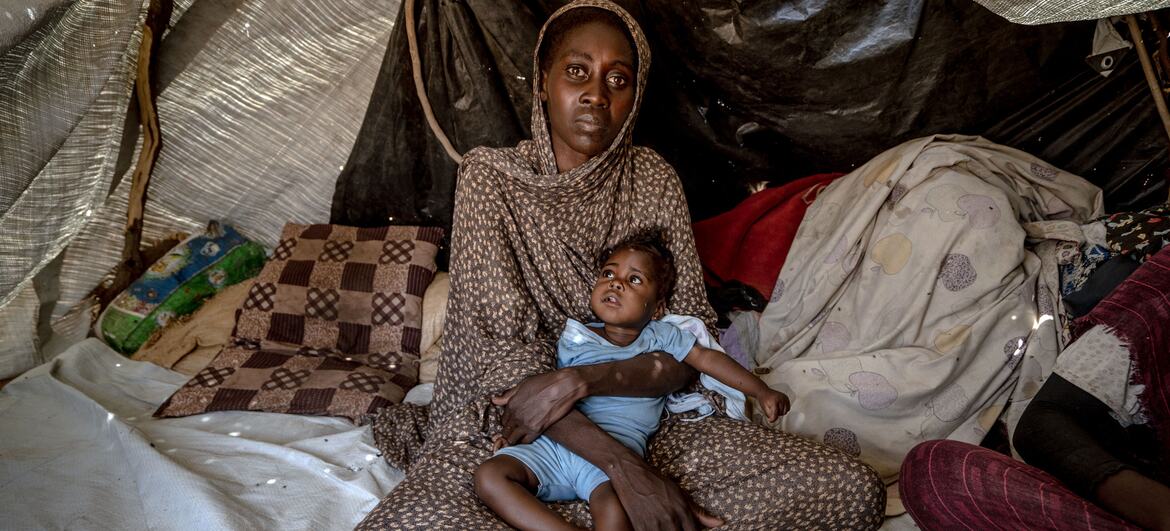
Pregnant and breastfeeding women may need additional nutritional support. Older people and people living with disabilities may face extra barriers when collecting supplies, travelling to services, or finding safe accommodation.
A well-planned humanitarian response considers these differences. Food distribution, nutrition screening, clean water, sanitation, and access to healthcare all play a role in protecting people during an emergency.
IPC Famine Declaration: What It Means
An IPC famine classification is a technical finding based on evidence about food deprivation, acute malnutrition, and mortality. It is not simply another way of saying that a country is experiencing hunger.
Understanding the distinction helps donors assess the emergency accurately and understand why early action matters.
Was Famine Declared in Sudan?
Yes. In its analysis published in November 2025, the IPC reported that El Fasher in North Darfur and Kadugli in South Kordofan were classified in famine, with reasonable evidence, for the September 2025 period. The analysis expected those conditions to persist through January 2026.
However, the subsequent IPC analysis published in May 2026 reported that no area was then classified in famine, while identifying 14 areas at risk of famine under a reasonable worst-case scenario. The latest available assessment should be used when describing the situation, rather than carrying an earlier classification forward as if it were unchanged.
This does not mean the humanitarian emergency has ended. Millions of people still face severe food insecurity, and famine risk remains a serious concern in areas affected by conflict and restricted access.
What Are the IPC Food Insecurity Phases?
The IPC uses a five-phase scale to classify acute food insecurity:
| IPC phase | Classification | General meaning |
|---|---|---|
| Phase 1 | Minimal | Households can generally meet essential food and basic needs |
| Phase 2 | Stressed | Households may struggle to meet some essential non-food needs without using harmful coping strategies |
| Phase 3 | Crisis | Households face food consumption gaps or must adopt damaging coping strategies |
| Phase 4 | Emergency | Food gaps and acute malnutrition risks are severe |
| Phase 5 | Catastrophe for households; Famine at area level when criteria are met | Conditions are extremely severe, with starvation, destitution, and very high risks of acute malnutrition and death |
Important distinction: IPC Phase 5 for an individual household classification is called Catastrophe. The term Famine is used when the required conditions are met at an area level. The classification depends on evidence and established technical thresholds. (IPC Famine Facts)
Why Does Early Emergency Aid Matter?
Waiting until a situation reaches famine thresholds can leave humanitarian organisations trying to respond after families have already lost essential resources.
Early assistance can help households access food, protect their remaining assets, and obtain clean water. Nutrition screening and treatment can also identify children who need urgent specialist care.
Food and water assistance cannot resolve the conflict itself, but it can help reduce immediate hardship while longer-term humanitarian and recovery efforts continue.
Inside the Refugee Camps: Chad & Port Sudan
Sudan’s emergency extends beyond people who remain inside the country. Families crossing borders need support in their new locations, while aid agencies must also move supplies through difficult and changing logistics networks.
Chad is a major destination for people fleeing Sudan. Port Sudan, meanwhile, is an important operational location for humanitarian activities inside the country.
Supporting Sudanese Refugees in Chad
UNHCR reported that approximately 941,722 Sudanese refugees had crossed into Chad since April 2023, according to its situation update dated 9 August 2026. The majority were registered or pre-registered, with refugees located across several eastern and other regions of Chad.
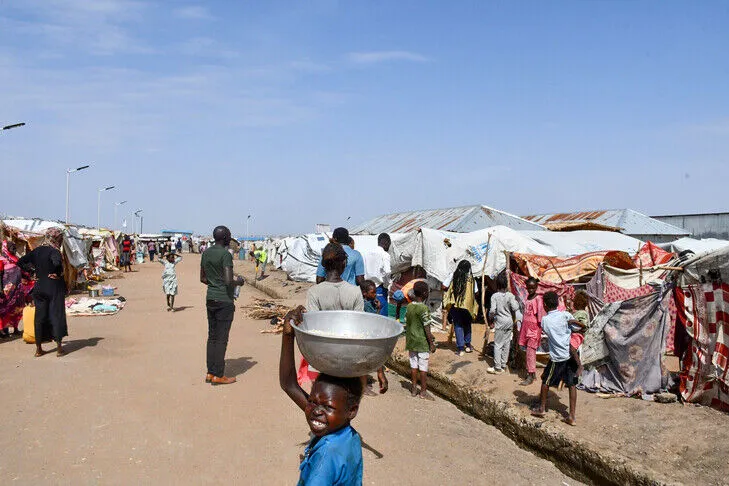
Families arriving across the border may have experienced displacement, loss of income, and separation from relatives. Some need temporary shelter and basic household supplies, while others require medical care, nutrition support, safe water, and sanitation facilities.
Aid in refugee-hosting areas can also benefit local communities. Where resources are limited, support for water systems, health services, and essential supplies can reduce pressure on services used by both refugees and host families.
What Is Port Sudan’s Role in Humanitarian Aid?
Port Sudan is an important logistics and operational hub for humanitarian work in Sudan. Supplies may need to be received, stored, coordinated, and transported onward to communities that need assistance.
But reaching a port is only one stage of the process. Aid still needs suitable transport, secure storage, local coordination, and permission to move through the required routes.
Conflict, damaged infrastructure, bureaucratic restrictions, flooding, and poor road conditions can all delay delivery. A UK government assessment published in September 2026 describes humanitarian access as severely constrained, particularly in Darfur and Kordofan.
For this reason, a responsible donation appeal should not promise that supplies will reach a particular location by a fixed date unless the delivery arrangements have been verified.
How Do Humanitarian Supplies Reach Darfur?
Cross-border routes can be important when supplies need to reach communities in western Sudan. The Adre crossing between Chad and Sudan has served as a key humanitarian corridor for deliveries into Darfur.
In June 2026, the United Nations welcomed an extension of the crossing’s opening through 30 September, while warning that insecurity and communications disruptions continued to affect humanitarian operations.
Routes and permissions can change, so aid organisations need to monitor current access arrangements and use the corridors available to them.
A typical delivery process may involve:
- Assessing needs with local partners and humanitarian teams.
- Sourcing food, water-treatment supplies, or other essential items.
- Coordinating transport and required authorisations.
- Moving supplies through an available route or logistics hub.
- Arranging local storage and distribution.
- Recording quantities distributed and reviewing whether the assistance reached intended recipients.
Not every organisation uses the same route or handles every stage itself. Your Impact Foundation should confirm its current Sudan delivery arrangements before any specific route or partner is presented as part of its programme.
How Your Donation Delivers Food & Clean Water
A Sudan food aid donation can help support programmes that address immediate food needs. Clean water assistance is equally important because unsafe water can contribute to illness and make an already difficult emergency worse.
Your contribution can support humanitarian activities through the charity’s designated appeal. The exact items, quantities, and locations depend on the available funding, local needs, procurement costs, and access conditions.
Emergency Food Assistance
Food assistance can take several forms, depending on what families can access locally and what aid agencies can safely deliver.
Possible approaches include:
- Emergency food parcels: Essential food items for households that cannot reliably obtain enough food.
- Food distributions: Supplies delivered to identified communities through organised distribution points.
- Cash or voucher assistance: Where markets function and prices are suitable, assistance may help families buy food locally.
- Nutrition support: Specialised assistance for people who need additional nutritional care, delivered through appropriate programmes.
A food parcel might contain staple foods and other essentials selected for local needs. The exact contents should be confirmed by the organisation distributing it.
Where local markets can supply food safely and reliably, cash-based assistance may give families greater choice. Where markets are disrupted or supplies are unavailable, direct food delivery may be more suitable.
Why Clean Drinking Water Is Essential
Clean water supports drinking, cooking, food preparation, and hygiene. In an emergency, access to safe water can become difficult when infrastructure is damaged, water sources are contaminated, or families are displaced far from reliable supplies.
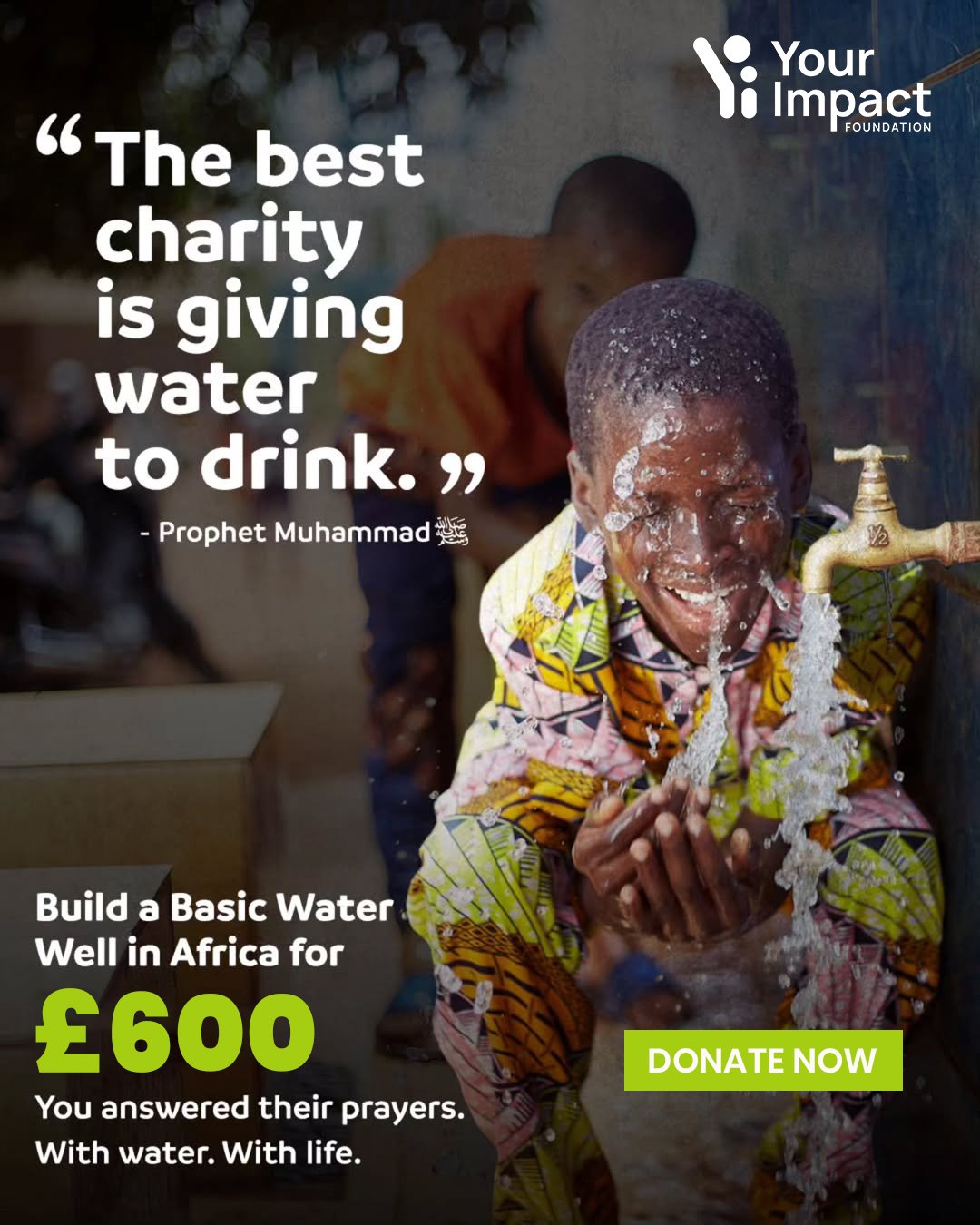
Humanitarian water support may include:
- Water trucking where suitable sources and distribution arrangements are available.
- Repairing or restoring damaged water systems.
- Treating water to make it safer for use.
- Providing appropriate water containers and treatment supplies.
- Supporting sanitation and hygiene activities.
Water projects need appropriate technical oversight and monitoring. A well, water point, or treatment system should be assessed for local suitability and safe operation rather than treated as a one-size-fits-all solution.
How Food and Water Assistance Work Together
Food and water needs are closely connected. Families need safe water to prepare meals and maintain hygiene. Nutrition support may be less effective when people cannot access safe water or essential sanitation.
An effective emergency response therefore considers food, water, sanitation, health, and nutrition together.
Your donation can help contribute to this broader humanitarian effort. To understand the specific activities funded by the Sudan appeal, review the programme information provided by Your Impact Foundation.
Sudan Emergency Appeal: Choose Your Donation Amount
You do not need to make a large donation to participate in emergency relief. The amount you give should fit your circumstances, and the charity should explain how contributions are allocated.
The following are suggested donation levels, not guaranteed prices for a specific parcel or quantity of water. Confirm any fixed-cost impact claims with the charity before publishing them.
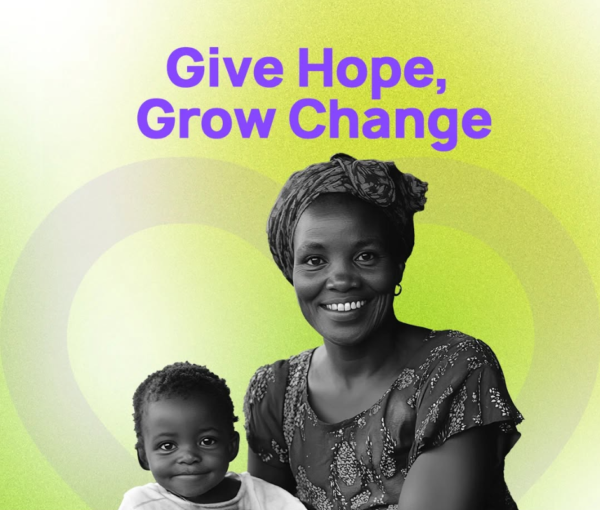
Donate to Sudan: Sudan Crisis Appeal
Sudan is facing the world’s worst humanitarian crisis. Over 33 million people need urgent aid. Famine has been declared in Darfur and Kordofan. Nearly 9 million people are displaced inside Sudan — the largest internal displacement crisis on Earth. Hospitals are destroyed. Cholera is spreading. 17 million children are out of school. When you donate to Sudan through Your Impact Foundation, your Sudan charity gift delivers emergency food, clean water, and life-saving medical supplies to families who have lost everything. The world’s most neglected crisis cannot wait any longer.
Donate to Sudan now — every pound saves a life.
One-Time or Monthly Donations: Which Should You Choose?
A one-time donation can help fund immediate relief needs. A recurring donation can provide more predictable funding, helping a charity plan future activities and respond as needs change.
Neither option is right for everyone. Choose the approach that suits your budget and check the payment terms before setting up a recurring contribution.
If you want to compare different ways of supporting the emergency, read The Best Way to Donate to Sudan.
100% Donation Guarantee: What Donors Should Know
Donors deserve clear information about how their contributions are used. A published donation policy should explain what reaches beneficiaries, how operational costs are covered, and whether the policy applies to a particular appeal.
What Does a 100% Donation Policy Mean?
Your Impact Foundation publishes a 100% donation policy, stating that donations are delivered to beneficiaries while operating expenses are covered separately. You can read its published donation policy.
Before making an absolute claim specifically about the Sudan appeal, confirm that the policy applies to this appeal and clarify how it treats payment-processing charges, Gift Aid, restricted funds, and other costs.
A clear explanation should answer three questions:
- Does the policy cover every donation to the Sudan appeal or only particular donation types?
- How are administration, payment processing, procurement, and delivery costs funded?
- What reporting or records are available to explain how funds were used?
These details help donors make informed decisions and give the charity a stronger foundation for long-term trust.
How Can Donors Check a Charity’s Accountability?
Before donating, consider whether the charity provides:
- Its registration details and governance information.
- Clear explanations of what the appeal supports.
- Information about local delivery partners and safeguarding.
- Updates on distributions and programme progress.
- Financial reporting consistent with its published policies.
For a UK charity, you can also check its public registration information through the Charity Commission for England and Wales.
Transparency matters especially in emergencies, when routes, costs, and access can change quickly. Responsible reporting should explain both what the programme achieved and any difficulties that affected delivery.
Frequently Asked Questions About the Sudan Emergency Appeal
What is the Sudan famine appeal?
The Sudan famine appeal is a humanitarian fundraising effort intended to support people affected by severe food insecurity, displacement, and the risk of famine. Depending on the programme, donations may help fund food assistance, clean water, nutrition support, and other essential relief.
Is there a famine in Sudan in 2026?
The IPC’s September 2025 analysis classified El Fasher and Kadugli as experiencing famine. Its May 2026 analysis reported no area then classified in famine but identified 14 areas at risk. Conditions can change, and the classification should be checked against the latest available IPC assessment.
How many people are facing hunger in Sudan?
The IPC reported that approximately 19.5 million people faced acute food insecurity between February and May 2026. It also estimated that around 135,000 people were in IPC Phase 5: Catastrophe. These figures describe different levels of food insecurity and are not interchangeable.
How can I help Sudanese refugees in Chad?
You can support humanitarian programmes that provide food, clean water, shelter, healthcare, sanitation, and other essential assistance to refugees and host communities. Before donating, check which locations and activities the charity’s current programme supports.
How does food aid reach families in Sudan?
Food aid may be sourced locally or transported through available supply routes. Humanitarian teams coordinate procurement, transport, storage, and distribution with partners and authorities. Insecurity, access restrictions, road conditions, and changing permissions can affect delivery times and locations.
Why is clean water important during the Sudan emergency?
Safe water is necessary for drinking, cooking, and hygiene. When water sources or infrastructure are damaged, people face greater difficulty meeting basic needs. Water treatment, repairs, water delivery, and sanitation support can help address these challenges when appropriately planned and monitored.
How much should I donate to Sudan?
There is no single required donation amount. Choose an amount that fits your budget and check what the selected appeal supports. Suggested amounts should not be interpreted as guaranteed prices for specific supplies unless the charity publishes and verifies those costs.
Does Your Impact Foundation have a 100% donation policy?
Your Impact Foundation publishes a policy stating that donations reach beneficiaries and that operating costs are funded separately. Read the full policy and confirm its application to the Sudan appeal before relying on a specific cost or allocation claim.
What is the best way to donate to the Sudan crisis?
Look for a registered charity that explains its programme, delivery arrangements, financial policies, and reporting. You can review Your Impact Foundation’s Sudan emergency appeal and its guide to ways to donate to Sudan.
Help Families Affected by Sudan’s Emergency
Sudan’s humanitarian crisis requires sustained attention. Millions of people face severe food insecurity, and families displaced by conflict need access to food, clean water, healthcare, and safe shelter.
The IPC’s 2026 assessment shows that even without a current area-level famine classification in that analysis, the risk remains serious in several locations. Humanitarian access and reliable funding are essential to help organisations respond where needs are greatest.
Your donation can contribute to emergency relief for families affected by the crisis. Choose an amount that suits your circumstances, check the charity’s current programme information, and look for clear reporting about how the appeal operates.
Support the Sudan emergency appeal and help fund food, clean water, and essential humanitarian assistance for vulnerable families.