Key Takeaways
- Ramadan 2027 is expected to begin in the UK around 8 February 2027, subject to the lunar calendar and local announcements.
- The appropriate response to missed fasting days depends on why they were missed and whether making up those days remains possible.
- This guide uses £5 per day as the indicative daily payment rate and £300 as the example compensation amount supplied for this campaign. These figures should be checked against the guidance you follow before payment.
- Someone who can make up missed days may need to do so rather than automatically making a charitable payment.
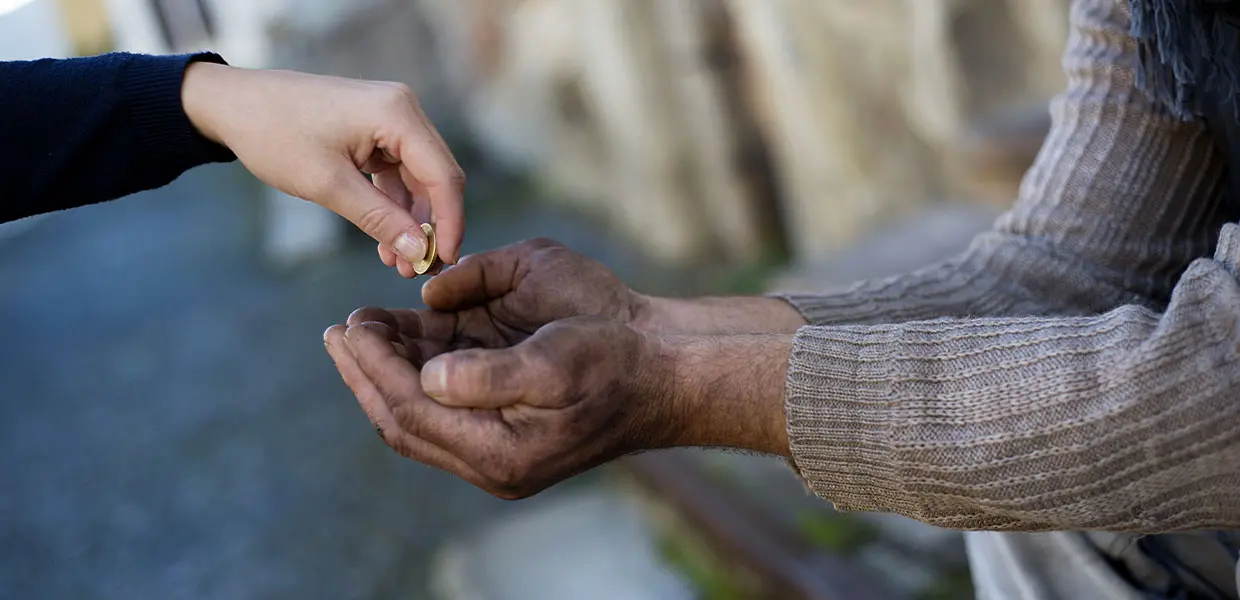
- Your contribution can help provide food support to people facing hardship.
Why Resolve Missed Fasts Before Ramadan 2027?
Preparing early gives you time to review missed days, understand the guidance that applies to your circumstances and make a plan before the next fasting month begins.
As of 28 October 2026, Ramadan is expected to begin in early February 2027. That leaves roughly three months to review your situation and take any necessary steps.
Leaving everything until the last few days can make it harder to seek reliable guidance, arrange make-up days where appropriate or complete a payment before your chosen deadline.
Make a plan based on your circumstances
Start by writing down how many days you missed and the reason for each absence. Consider whether you can make up those days before the next Ramadan.
Your circumstances matter. Temporary illness, a continuing health condition, travel and other situations may be treated differently by the authority you follow. Avoid assuming that one rule applies to everyone.
What should you do first?
- Estimate the number of days you missed.
- Record why you missed them.
- Establish whether you can make up the days.
- Ask a trusted, qualified religious adviser about any uncertainty.
- If a charitable payment applies, confirm the current amount and the correct way to fulfil it.
- Complete your arrangements early rather than leaving them until the final week.
Planning tip: Keep a simple record of the days involved, the guidance you received and any payments you make. This can help you avoid confusion later.
Understanding the Two Types of Payment
The appropriate payment depends on the circumstances. A daily food-support payment and a larger compensation payment are not interchangeable options that everyone can choose freely.
A daily payment may apply in particular circumstances where a person cannot fast and is not expected to make up the missed days. A separate compensation payment may apply in certain cases involving a fast that was deliberately broken. The conditions and calculations can differ, so confirm your situation with a qualified adviser.
When might a daily payment apply?
A daily payment may be relevant when a person has a valid, ongoing reason that prevents fasting and cannot reasonably make up the missed days. The rules depend on the circumstances and the guidance being followed.
Do not assume that missing a day automatically means you should pay. If you were temporarily unable to fast but can make up the day later, the appropriate next step may be different.
When might a compensation payment apply?
Some circumstances may require a different form of compensation. The amount and conditions depend on what happened and the authority whose guidance you follow.
If you are unsure whether a compensation payment applies, seek qualified advice before paying. A charity’s payment calculator or donation page should not replace guidance about your individual circumstances.
Quick comparison
| Question | Daily food-support payment | Compensation payment |
|---|---|---|
| Does it apply in every case of a missed fast? | No | No |
| Does the reason for the missed or broken fast matter? | Yes | Yes |
| Is the amount always the same? | No. Rates may change. | No. The calculation depends on the applicable guidance. |
| Should you confirm your circumstances? | Yes | Yes |
| Can a charitable contribution support food relief? | Where the payment is applicable and the charity accepts it for that purpose | Where the payment is applicable and the charity accepts it for that purpose |
Important: Do not select a payment category simply because it is more convenient. Confirm which requirement applies to you first.
2026 UK Payment Rates: Planning Table
The following table uses the campaign figures supplied for this article. Treat them as indicative amounts, not as a universal ruling or a guarantee that every person should pay them.
| Payment type | Indicative amount | Example calculation | Before paying |
|---|---|---|---|
| Daily food-support payment | £5 per applicable day | 5 days × £5 = £25 | Confirm that this payment applies to your circumstances. |
| Daily food-support payment | £5 per applicable day | 10 days × £5 = £50 | Check the current rate with the charity or authority you follow. |
| Daily food-support payment | £5 per applicable day | 30 days × £5 = £150 | Confirm the number of eligible days. |
| Compensation payment | £300 example amount | Based on the campaign figure supplied | Confirm the applicable conditions and calculation before paying. |
How much should you budget?
If the £5 daily rate applies to your situation, multiply the number of eligible days by £5.
For example:
- 1 eligible day: £5
- 5 eligible days: £25
- 10 eligible days: £50
- 20 eligible days: £100
- 30 eligible days: £150
These examples show the arithmetic only. They do not establish whether a payment is required in an individual case.
The £300 figure is included as the campaign’s example compensation amount. Do not assume it applies to every case or that the amount is calculated the same way by every authority. Verify the calculation before making a payment.
Why can payment rates differ?
Charities and religious authorities may use different methods to set or explain their rates. The amount may reflect the cost of providing food, the number of people to be fed or a particular interpretation of the applicable rules.
Before paying, check three things:
- The current rate for the year in question.
- Whether the payment type applies to your circumstances.
- Whether the organisation accepts and distributes that specific type of contribution for its intended purpose.
What If You Cannot Make Up Missed Days Before Winter Ends?
Do not assume that the end of winter is automatically the deadline for everyone. The right course of action depends on your circumstances and the guidance you follow.
If you still have missed days to make up, consider your health, practical circumstances and the time available. Seek advice if you are uncertain whether you should make up the days, make a payment or take another step.
If you can make up the days
Make a realistic plan that fits your health and circumstances. Do not put your health at risk to meet a self-imposed deadline.
If you have a medical condition or are unsure whether fasting is safe for you, speak with a suitable healthcare professional and seek qualified religious guidance about your obligations.
If you cannot fast for a continuing reason
A continuing condition may be treated differently from a temporary illness. Ask a qualified adviser what applies to your situation and whether a daily payment is appropriate.
If you are unsure what you owe
Avoid guessing or paying twice because you are worried about getting the amount wrong.
Prepare a short summary of the days involved and the reasons you missed them. A trusted adviser can use that information to help you understand the next step.
How Your Contribution Can Help Feed People Facing Hardship
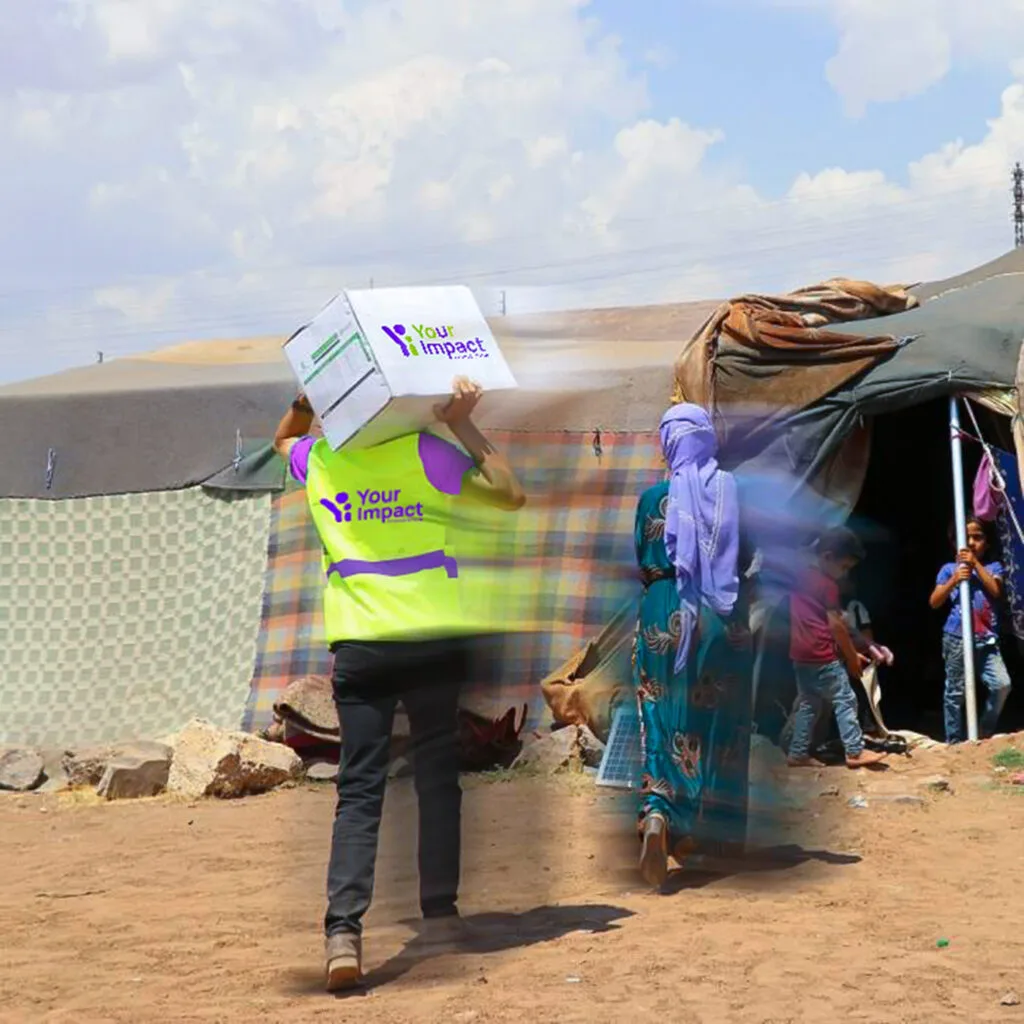
Food support can help households manage periods when income, food prices or displacement make everyday meals difficult to afford.
A contribution designated for food relief can help a charity arrange food assistance for people experiencing hardship. The exact impact depends on the programme, local food costs, delivery arrangements and the amount received.
What can food assistance provide?
Depending on the programme, food support may include:
- Staple foods for household meals.
- Food parcels containing essential ingredients.
- Prepared meals for people who cannot access cooking facilities.
- Emergency food support for vulnerable households.
- Assistance delivered through local distribution partners.
The form of support depends on local needs. A responsible charity should explain how it uses donations and avoid promising a specific outcome that it cannot verify.
Why give through a registered UK charity?
Before making a payment, review the organisation’s registration details, published information and donation terms. Check whether it accepts the payment type you intend to make and whether it can use your contribution for the stated purpose.
You can review Your Impact Foundation’s public entry on the Charity Commission register and read the charity’s own information before deciding whether to contribute.
Pay online and support food relief
If you have confirmed that a charitable payment is appropriate for your circumstances, review the available options before completing your contribution.
Ready to support food relief? Visit Your Impact Foundation’s donation page to review the available ways to give. Check the payment designation and any instructions carefully so that your contribution is directed appropriately.
Frequently Asked Questions
When is Ramadan 2027 expected to begin in the UK?
Ramadan 2027 is expected to begin around Monday, 8 February 2027. The date is tentative and may differ according to local lunar-calendar announcements.
Should I make up missed fasting days or make a payment?
It depends on why you missed the days and whether you can make them up. Some circumstances may call for make-up days, while others may involve a payment. Ask a qualified adviser if you are unsure.
What is the daily payment rate for 2026 in the UK?
This article uses £5 per applicable day as the indicative campaign rate. Rates can vary, so confirm the current amount and whether it applies to your circumstances before paying.
Is the £300 compensation amount required for everyone?
No. The £300 figure is included as an example supplied for this campaign. The applicable conditions and calculation can vary. Seek qualified guidance before making a compensation payment.
Can I pay online?
You may be able to make a charitable contribution online through an organisation that accepts the relevant payment type. Check its payment options, terms and how the contribution will be used before proceeding.
What if I missed days because I was ill?
The appropriate response depends on whether the illness was temporary or ongoing and on your individual circumstances. Seek medical advice where needed and ask a qualified religious adviser what steps apply.
What if I cannot afford the expected payment?
Do not assume you must make a payment you cannot afford without first confirming what applies to your situation. Seek advice from a trusted, qualified source about your options.
How can I check a charity before donating?
Look up its entry on the Charity Commission register, review its official website and read its donation terms. Confirm that the organisation accepts the payment type you intend to make and can use the funds for the stated purpose.
Prepare Early and Make an Informed Decision
With the next Ramadan expected in February 2027, October is a practical time to review missed days, seek reliable guidance and plan any applicable payments.
The key is to understand your own circumstances rather than assume that the same rule or amount applies to everyone. Confirm the current rate, check the payment category and choose a suitable organisation if a charitable contribution is appropriate.
If you would like to support food relief, visit Your Impact Foundation’s donation page to review the available options and the terms attached to each contribution.