Gaza hunger has reached a level that most people struggle to comprehend. On 22 August 2025, the World Health Organisation confirmed famine in Gaza for the first time. More than half a million people are trapped in conditions of widespread starvation, destitution, and preventable death. Among the most affected are mothers and their newborns. Malnourished mothers in Gaza are losing the ability to breastfeed. Their babies are starving as a result.
This is not a natural disaster. It is a manufactured crisis. Restriction of food, destruction of water infrastructure, and blockade of humanitarian aid have created catastrophic malnutrition in Gaza. The mothers who survive this nightmare face an impossible choice: watch their babies go hungry or find formula they cannot afford. This blog explains the medical reality behind the crisis and how you can help.
What Is the Current Malnutrition Rate in Gaza?
The numbers are staggering. In July 2025, the WHO reported 74 malnutrition-related deaths in Gaza — and 63 of those deaths occurred in a single month. Twenty-four of the dead were children under five.
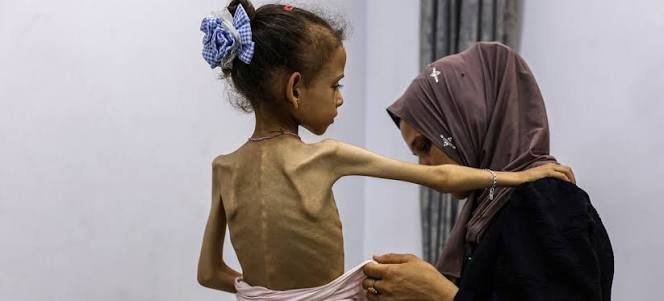
The IPC (Integrated Food Security Phase Classification) placed both North Gaza and Gaza Governorate in IPC Phase 5 — Catastrophe/Famine in August 2025. This is the highest level on the global food insecurity scale. Stage 5 malnutrition in Gaza means households face extreme food gaps, starvation is evident, and mortality rates exceed emergency thresholds.
The IPC’s December 2025 analysis projected that nearly 71,000 children under five would face acute malnutrition between April 2025 and March 2026. Of those, 14,100 cases were expected to be severe. By July 2026, the IPC reported that 1.4 million people — roughly 67% of Gaza’s population — still faced high levels of acute food insecurity.
Nearly one in five children under five in Gaza City was acutely malnourished by mid-2025, according to Nutrition Cluster partners. Global Acute Malnutrition rates surpassed emergency thresholds. These are not estimates. These are verified figures from the WHO, IPC, and UN agencies working on the ground.
How Many People Have Died from Malnutrition in Gaza Hunger?
The WHO confirmed 74 malnutrition-related deaths in Gaza during 2025. Sixty-three of those deaths occurred in July 2025 alone — a devastating spike that prompted the WHO to warn that malnutrition deaths in Gaza were on a “dangerous trajectory.” Of those 63 July deaths, 24 were children under five.
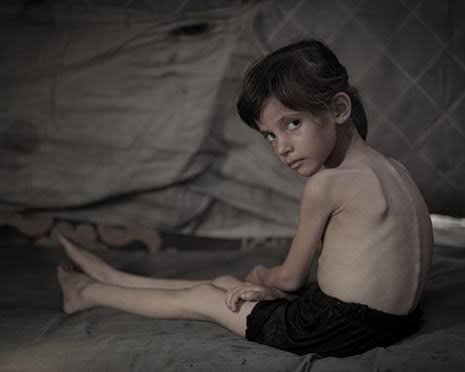
But these figures only count direct malnutrition deaths. The true toll is far higher. Malnutrition weakens the immune system. It makes diseases fatal that would otherwise be treatable. It causes complications in pregnancy and childbirth. Médecins Sans Frontières (MSF) documented increased miscarriages, premature births, and infant mortality linked directly to maternal malnutrition in Gaza. Many babies die not because they lack food directly — but because their malnourished mothers cannot carry them to term or produce enough milk after birth.
The Wikipedia entry on the Gaza Strip famine notes that famine conditions persisted from 22 August 2025 to 19 December 2025. During that period, preventable deaths from starvation and disease mounted across the territory. The full death toll from malnutrition in Gaza may never be known because access for journalists and researchers remains severely restricted.
Gaza Hunger: Why Malnourished Mothers Struggle to Breastfeed
Breastfeeding demands enormous energy from a mother’s body. Producing milk requires roughly 500 extra calories per day. It demands protein, hydration, and specific nutrients like iodine, vitamin A, and zinc. When a mother is starving, her body cannot meet these demands. It prioritises keeping her alive over producing milk.
The WHO and UNICEF guidelines on infant feeding in emergencies acknowledge that stress, trauma, and acute malnutrition directly impair a mother’s ability to breastfeed. Even moderate malnutrition can reduce milk volume. Severe malnutrition can stop production entirely.
In Gaza, the problem is compounded by three factors that most people overlook.
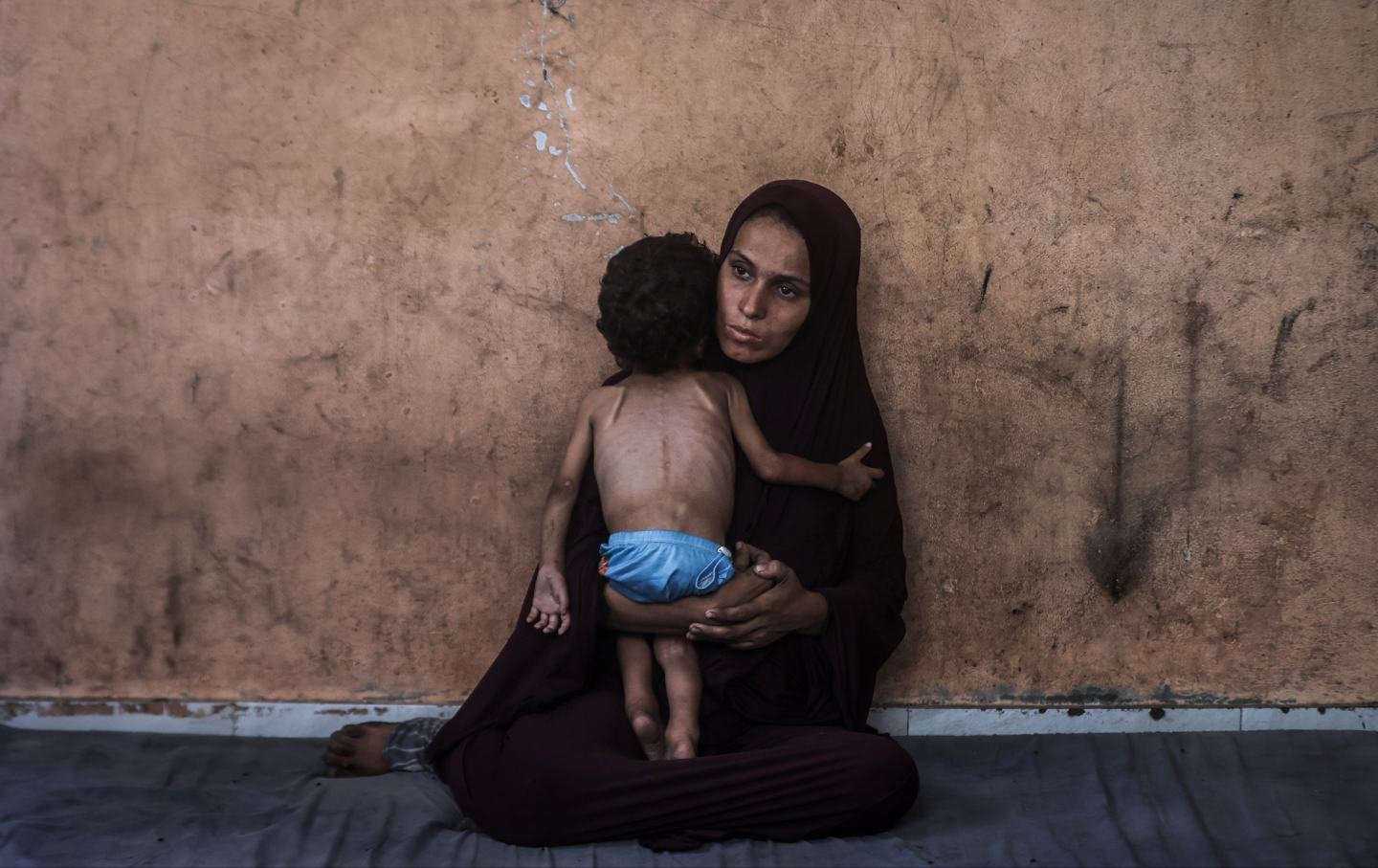
First, dehydration. Clean water is scarce. Breast milk is roughly 87% water. When a mother cannot drink enough clean water, her milk supply drops rapidly. Gaza’s water infrastructure has been heavily damaged, leaving most families dependent on limited and often unsafe supplies.
Second, psychological trauma. Studies on maternal stress and lactation show that severe trauma — bombings, displacement, grief — triggers the release of cortisol and adrenaline. These stress hormones actively inhibit the hormones (prolactin and oxytocin) that drive milk production and let-down. A mother in Gaza is not just hungry. She is terrified, grieving, and living in constant danger. Her body responds by shutting down non-essential functions — including lactation.
Third, physical exhaustion. Mothers in Gaza walk miles for water, queue for hours for food, and care for multiple children in temporary shelters with no privacy. This level of physical stress depletes the body’s reserves and directly undermines milk supply.
What Happens to Starving Children in Gaza Hunger When Breastfeeding Fails?
When a mother cannot breastfeed and cannot afford formula, her baby faces a rapid and dangerous decline. Newborns have no other source of nutrition. Within days, dehydration sets in. Within weeks, acute malnutrition takes hold. The starving children in Gaza are not just hungry — they are deteriorating daily.
Babies who do not receive adequate nutrition in their first six months suffer irreversible harm. Brain development stalls. Immune systems collapse. Even if food arrives later, the developmental damage may be permanent. The IPC classified the impact on children as “starved futures” — a phrase that captures the lifelong consequences of infant malnutrition.
Mothers in Gaza report diluting formula with unsafe water to make it last longer. Some feed their babies tea, sugar water, or rice water — none of which provide adequate nutrition. These desperate measures lead to diarrhoea, dehydration, and further malnutrition, creating a deadly cycle.
Aid agencies on the ground have described scenes of mothers holding their babies, weeping, with nothing to feed them. This is the human face of gaza hunger — not statistics on a page, but a mother watching her child weaken day by day.
How Baby Formula Aid Reaches Starving Babies in Gaza
Emergency infant formula distribution is one of the most effective responses to the gaza hunger crisis. Aid organisations source sealed, commercially produced powdered formula and deliver it directly to families who need it most. Every tin reaches a verified household facing acute food insecurity.
Your Impact Foundation runs a dedicated Baby Milk for Gaza programme that operates exactly this way. The charity sources formula from trusted suppliers, transports it into Gaza, and distributes it to families with infants who have no other nutrition source. Every tin is sealed. Every delivery is verified. Every donation is tracked.
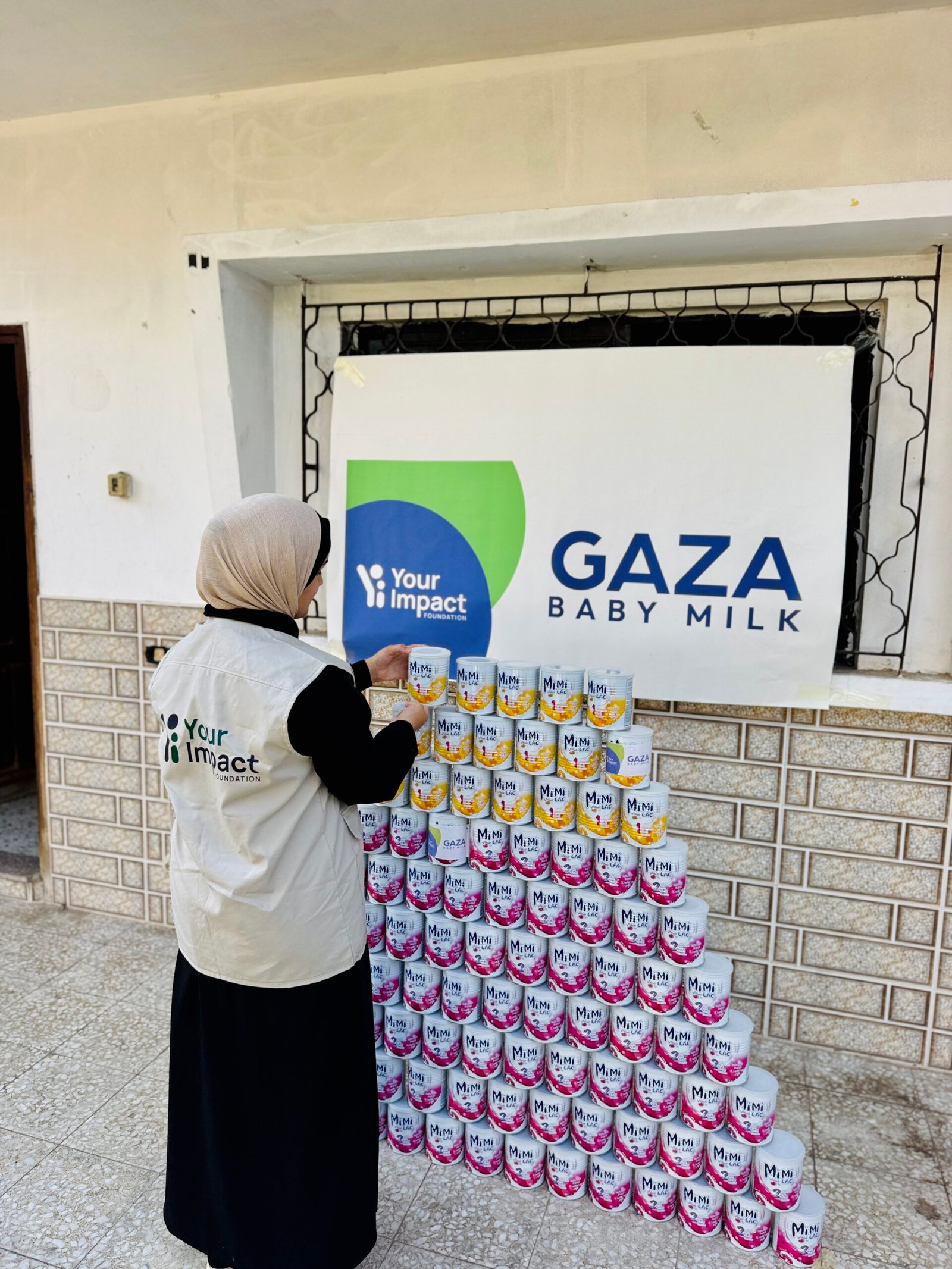
The impact is immediate and measurable. A £10 donation provides one week of formula for a newborn. A £40 donation covers a full month. These are not vague promises — they are specific, accountable outcomes. Each tin of formula keeps a baby alive for another week. Each week of nutrition gives that child a chance to survive and grow.
How You Can Help End Gaza Hunger Through Food Donations
Gaza food donations save lives. The crisis is not over. Even though the IPC noted some improvement by mid-2026, 1.4 million people — 67% of the population — still face acute food insecurity. Children are still dying from malnutrition. Mothers are still unable to breastfeed. Baby formula remains one of the most urgently needed supplies.
You can make a difference today. Your Impact Foundation (Charity No. 1192710) accepts gaza food donations through its Baby Milk for Gaza programme. Every pound you give buys formula for a baby who has no other option. The charity handles sourcing, delivery, and verification with full transparency and Shari’ah compliance.
You can also dedicate your donation as sadaqah jariyah on behalf of deceased loved ones — turning your generosity into continuous reward that outlasts your own lifetime. Every baby that survives because of your formula donation becomes a source of ongoing blessing for you and those you dedicate it to.
Donate Baby Milk for Gaza Now →
Baby Milk for Gaza — Emergency Infant Formula Distribution Appeal
Gaza’s babies cannot wait. When a mother cannot feed her child, formula is not a choice — it is survival.
In Gaza right now, thousands of infants are going without adequate nutrition. Only enough ready-to-use infant formula remained for 400 children for a month, while nearly 10,000 infants under six months required supplementary feeding. Mothers desperate to keep their babies alive are mixing water with tahini, herbs, and crushed biscuits — substances that can cause severe illness and death in young infants.
Your Impact Foundation is on the ground. We are procuring and distributing sealed, commercially manufactured powdered infant formula — baby milk — directly to families with infants across Gaza, through our trusted local partner network.
One donation. One tin of baby milk. A baby fed.
Donate to our baby milk appeal now.
FAQs
What is the current malnutrition rate in Gaza?
Answer: In mid-2025, nearly one in five children under five in Gaza City was acutely malnourished, according to Nutrition Cluster partners cited by the WHO. The IPC projected that nearly 71,000 children under five would face acute malnutrition between April 2025 and March 2026. By July 2026, 1.4 million people — 67% of Gaza’s population — still faced high levels of acute food insecurity. Both North Gaza and Gaza Governorate were classified under IPC Phase 5 (Catastrophe/Famine) in August 2025, the highest level on the global food insecurity scale.
How many people have died from malnutrition in Gaza?
Answer: The WHO confirmed 74 malnutrition-related deaths in Gaza during 2025, with 63 of those occurring in July 2025 alone. Twenty-four of the July deaths were children under five. These figures count direct malnutrition deaths only. The actual toll is far higher because malnutrition weakens the immune system, causes pregnancy complications, and makes treatable diseases fatal. MSF documented increased miscarriages, premature births, and infant mortality linked to maternal malnutrition throughout 2025 and 2026.
Why can’t malnourished mothers in Gaza breastfeed?
Answer: Breastfeeding requires roughly 500 extra calories per day, adequate protein, hydration, and specific nutrients. Malnourished mothers in Gaza cannot meet these demands. Their bodies prioritise survival over milk production. The crisis is worsened by three compounding factors: severe dehydration due to damaged water infrastructure, psychological trauma from sustained violence and displacement, and physical exhaustion from searching for food and water. Stress hormones like cortisol and adrenaline directly inhibit prolactin and oxytocin, the hormones that drive milk production and let-down.
What is Stage 5 malnutrition in Gaza?
Answer: Stage 5 malnutrition refers to IPC Phase 5 (Catastrophe/Famine) — the most severe classification on the Integrated Food Security Phase Classification scale. It means households face extreme food gaps, starvation is evident, acute malnutrition rates exceed emergency thresholds, and mortality rates are above normal. The IPC confirmed Stage 5 conditions in North Gaza and Gaza Governorate on 22 August 2025. The WHO stated that more than half a million people were trapped in famine at that time, marked by widespread starvation and preventable deaths.
What happens to babies when mothers cannot breastfeed in Gaza?
Answer: Babies who cannot breastfeed and have no access to formula face rapid deterioration. Dehydration sets in within days. Acute malnutrition follows within weeks. Newborns have no other nutrition source. Mothers report diluting formula with unsafe water or substituting tea, sugar water, or rice water — none of which provide adequate nutrition. This creates a cycle of diarrhoea, dehydration, and worsening malnutrition. Babies who survive infant malnutrition often suffer irreversible developmental harm to their brains and immune systems.
How can I help with Gaza food donations?
Answer: You can donate through Your Impact Foundation’s Baby Milk for Gaza programme at yourimpactfdn.org/donate/baby-milk-for-gaza/. The charity sources sealed, commercially produced powdered infant formula and delivers it directly to verified families in Gaza facing acute malnutrition. A £10 donation provides one week of formula for a newborn. A £40 donation covers a full month. The programme is fully transparent and Shari’ah-compliant. You can also dedicate your donation as sadaqah jariyah on behalf of deceased loved ones.
Is the famine in Gaza still ongoing?
Answer: The WHO confirmed famine in Gaza on 22 August 2025, with the IPC classifying North Gaza and Gaza Governorate under Phase 5 (Catastrophe/Famine). While the IPC noted some improvement in food security by mid-2026, 1.4 million people — 67% of Gaza’s population — still faced high levels of acute food insecurity. Malnutrition rates among children remained dangerous. The humanitarian situation continues to be described as critical by the WHO, UNICEF, and WFP. The crisis is not over.