The humanitarian crisis in Gaza has reached alarming proportions, with countless individuals and families facing dire circumstances. As the conflict continues to escalate, the need for relief and support has never been more urgent. This article delves into the crucial role your donations play in making a tangible impact on the lives of those affected by this crisis. By understanding how funds are allocated, the efforts of nonprofits, and the real-life stories of beneficiaries, we can illuminate the significant difference that collective compassion can achieve. Join us as we explore the intricacies of Gaza relief efforts and discover meaningful ways to contribute to this ongoing cause.
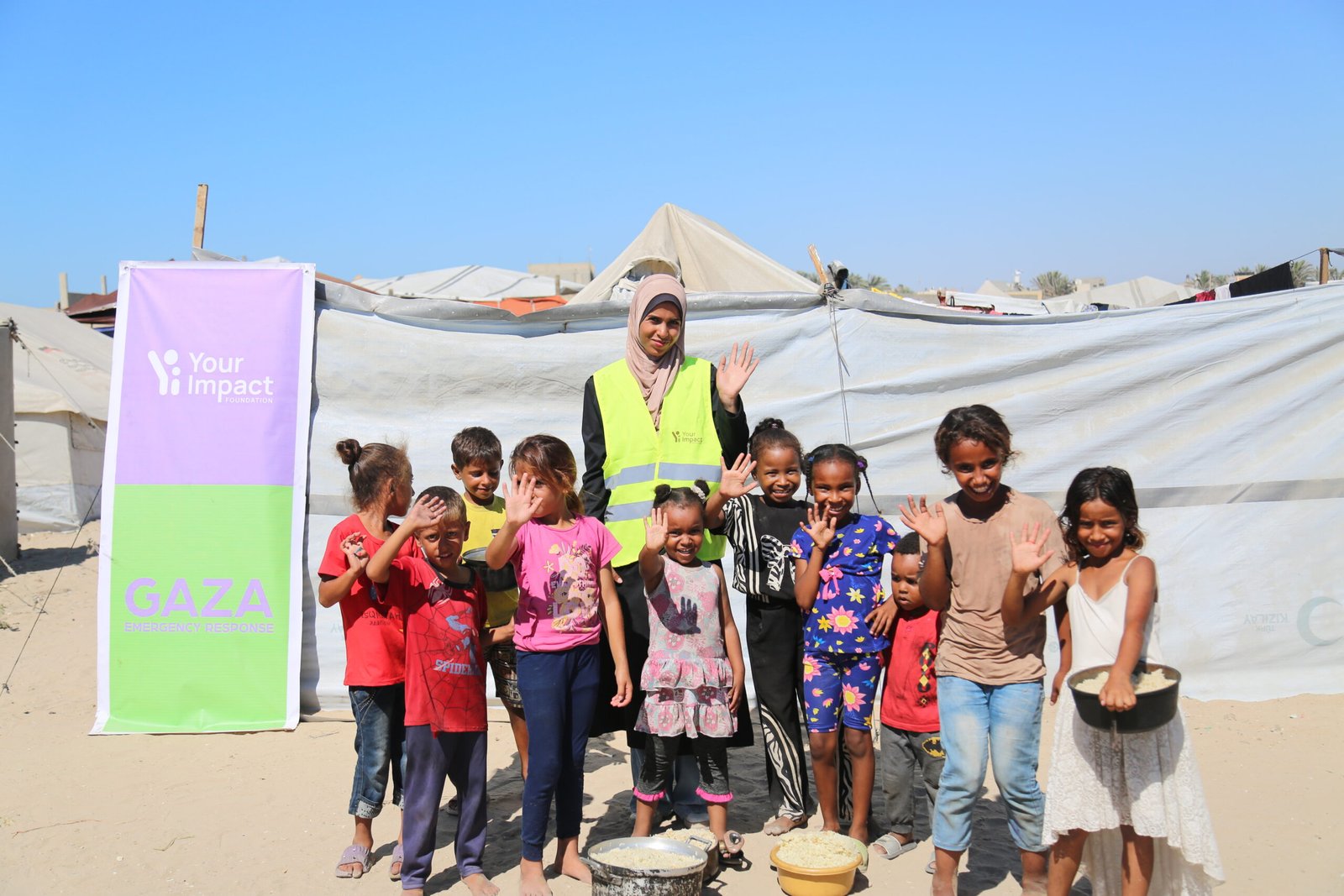
Understanding the Humanitarian Crisis in Gaza
The Current Situation: Statistics and Facts
Gaza is in a state of emergency, where over 2 million people are crammed into a strip of land measuring just 140 square miles—about the size of Philadelphia but with five times the population. The United Nations estimates that over 80% of the population relies on humanitarian aid. With limited access to clean water, electricity, and medical supplies, many families find themselves just a heartbeat away from desperation. In fact, only 7% of the territory’s water supply is deemed safe for drinking. Talk about a tough place to call home!
Key Challenges Faced by the Population
Residents face a multitude of challenges, including high unemployment rates that hover around 50%, escalating food insecurity, and a dilapidated healthcare system that’s struggling under the weight of continuous crises. Restrictions on movement and trade mean that resources are in short supply, and access to education is disrupted for children who are already living with the shadows of trauma. It’s like trying to build a sandcastle during a hurricane—difficult at best, impossible at worst.
The Role of Nonprofits in Relief Efforts
Major Organizations Involved in Aid
Several nonprofits are stepping up to the plate, including the International Committee of the Red Cross (ICRC), Oxfam, and UNICEF. These organizations work tirelessly to provide immediate relief and long-term solutions, even when the situation is as unpredictable as a cat on a hot tin roof. They offer everything from food assistance to psychosocial support, striving to meet basic needs for survival while restoring dignity.
Collaboration with Local Groups and Governments
Effective relief efforts often require teamwork, and that’s exactly what nonprofits do. By collaborating with local organizations and government bodies, they can navigate the landscape and ensure that aid reaches those who need it most. Local knowledge is invaluable; it’s like having a GPS in a maze. These collaborations not only enhance the distribution of aid but also promote sustainability, empowering communities to take charge of their own recovery.
How Donations Are Allocated and Utilized
Breakdown of Financial Contributions
Ever wonder where your generous donations go? Typically, about 75% of financial contributions are allocated directly to relief efforts—think food, shelter, and medical supplies. The remaining funds often cover operational costs, staff salaries, and logistics. Transparency is key, and reputable organizations provide regular updates and reports, ensuring that your hard-earned cash is making a substantial difference. It’s nice to know that your buck is being put to good use!
Types of Aid Provided: Food, Shelter, and Medical Care
Aid comes in many forms, but some of the most crucial include emergency food packages, temporary shelters, and medical care. Food assistance often consists of staples like bread, beans, and cooking oil, while shelter aid provides families with tents and basic utilities. Medical care can range from first aid kits to life-saving surgeries. In a place where resources are scarce, these essentials can mean the difference between life and death.
Real-Life Stories: Impact of Your Contributions
Personal Accounts from Beneficiaries
Consider the story of Fatima, a mother of three who once struggled to find daily meals for her family. Thanks to donations, she received food packages that not only fed her children but gave her the hope she needed to keep going. “Every meal reminds me that I’m not alone,” she says. Personal stories like Fatima’s highlight the profound effect that each donation has on individual lives, turning strangers into lifelines.
Before and After: Transformative Effects of Aid
The transformation brought about by aid can be staggering. Take the case of a local school that was on the verge of shutting down due to lack of resources. After receiving funding and supplies from nonprofits, it reopened, complete with books, supplies, and trained teachers. Now, it’s buzzing with laughter and learning, turning a once-dim outlook into a bright future for the children. These before-and-after snapshots not only illustrate the impact of donations but also serve as a reminder that change is possible—even when it seems like an uphill battle.
Transparency and Accountability in Relief Organizations
How Donations Are Tracked and Reported
When you donate to a relief organization, you want to be sure your hard-earned cash isn’t going into a black hole. Thankfully, most reputable charities have robust systems in place to track and report donations. Typically, they provide regular updates through newsletters, webinars, and social media, showcasing how funds are being utilized. Some even offer online dashboards where you can see exactly how your money is making a difference in real-time. So, if you’ve ever wondered if your $20 could buy a loaf of bread or a school book, relief organizations strive to keep you in the loop!
Ensuring Ethical Practices in Fund Distribution
Ethical practices in distributing funds aren’t just a nice-to-have; they’re essential. Many organizations adhere to strict guidelines set by international humanitarian standards to ensure that donations reach the people who need them most. They conduct audits, engage local communities in decision-making, and often partner with local NGOs to ensure that needs are genuinely met. In a world where shady dealings can overshadow good intentions, these organizations are committed to using your donations ethically and wisely.
Volunteering and Support: Beyond Financial Donations
Opportunities for Hands-On Involvement
While money talks, sometimes actions speak louder! There are numerous hands-on opportunities for those looking to contribute beyond financial donations. Local organizations often seek volunteers to assist with everything from sorting supplies to coordinating events. Whether you’re a wizard at organizing or have a knack for baking delicious goodies for bake sales, there are openings for everyone. And don’t fret if you can’t physically be there; virtual volunteering is a thing too! You can support by raising awareness online or helping with administrative tasks.
Advocacy and Awareness: Spreading the Message
Think of yourself as a compassionate megaphone! Advocacy and awareness are crucial for drawing attention to the needs of Gaza. Share informative articles, organize community discussions, or even start a blog about the issue. Social media is your friend—create posts that resonate, share personal experiences if any, and spark discussions among your friends and family. By spreading the word, you’re not just raising awareness; you’re mobilizing a movement. Every tweet, post, and conversation has the potential to inspire someone to act!
The Long-Term Vision for Recovery and Resilience
Sustainable Development Goals for Gaza
Sustainable development is the icing on the cake when it comes to long-term recovery. Organizations working in Gaza are aligned with the United Nations’ Sustainable Development Goals, focusing on initiatives like clean water, education access, and economic growth. By investing in these areas, they’re not just providing a temporary fix; they’re paving the way for lasting change that breaks the cycle of poverty and despair. Think of it as planting trees that will one day bear fruit for generations to come.
The Role of Education and Empowerment
Education is like a superhero cape for communities, empowering them to rebuild and thrive. Relief organizations recognize this and prioritize educational initiatives that equip individuals with the skills they need to create a brighter future. Whether it’s literacy programs for adults or STEM camps for kids, these efforts focus on empowering individuals and fostering resilience. A well-educated community isn’t just capable of recovering; it can soar to new heights, take control of its destiny, and inspire others along the way!
Ways to Get Involved and Make a Difference
Fundraising Ideas and Campaigns
Ready to roll up your sleeves and raise some cash? There’s no shortage of creative fundraising ideas to help boost relief efforts! Organize a fun run, host a bake sale, or throw a themed trivia night. Get your friends involved and transform something simple into a community event. Even virtual options like online auctions or crowdfunding campaigns can do the trick! The more inventive and engaging, the better. Plus, who knew raising money could be this much fun?
Building Community Support and Engagement
Building a supportive community can be like hosting a warm, cozy party—everyone’s invited, and everyone leaves feeling better! Start by reaching out to your local community; organize workshops, discussion panels, or potlucks to engage people on the topic of Gaza relief. Collaborate with schools, local businesses, and other organizations. Create a ripple effect by getting more people involved, because when it comes to making a difference, many hands make light work! Plus, it’s always nice to share snacks while changing the world together! As we conclude our exploration of Gaza relief efforts, it is clear that every donation, no matter how small, has the potential to create positive change in the lives of those in need. By staying informed and engaged, we can continue to support the resilient communities of Gaza as they navigate their challenges and strive for a better future. Together, let us commit to helping rebuild lives and fostering hope in the face of adversity. Your involvement matters, and together we can make a lasting impact.
FAQ
How can I be sure my donations are being used effectively?
Many reputable organizations provide transparency reports that detail how funds are allocated and spent. Look for nonprofits that are registered and have a history of accountability.
What types of aid are most needed in Gaza right now?
Essential aid includes food, medical supplies, clean water, and shelter. Additionally, educational resources and mental health support are crucial for long-term recovery.
Can I volunteer to help with relief efforts in Gaza?
Yes, many organizations welcome volunteers for various roles, including fundraising, awareness campaigns, and sometimes on-the-ground support, depending on the current situation.
What are some effective ways to raise awareness about the crisis in Gaza?
Utilizing social media, organizing community events, and sharing informative resources can help spread awareness. Additionally, engaging with local media can amplify your message and reach a broader audience.