
Key Takeaways
- Taraweeh is a voluntary night prayer performed after Isha during Ramadan.
- To learn how to pray Taraweeh, start with two rakats, complete the prayer with salam, and repeat according to your chosen practice.
- Common practices include 8 or 20 rakats. The number followed can vary according to scholarly tradition and local congregation.
- A specific Taraweeh dua is commonly recited during breaks, but there is no single required supplication for every break.
- You can perform Taraweeh at home or join a congregation at a mosque.
- Taraweeh is not an obligatory daily prayer. It is a highly recommended voluntary act of worship.
What Is Taraweeh Prayer?
Taraweeh is a voluntary night prayer performed during Ramadan, usually after the Isha prayer and before Witr. The word Taraweeh is associated with resting because worshippers traditionally pause for rest after completing sets of prayer.
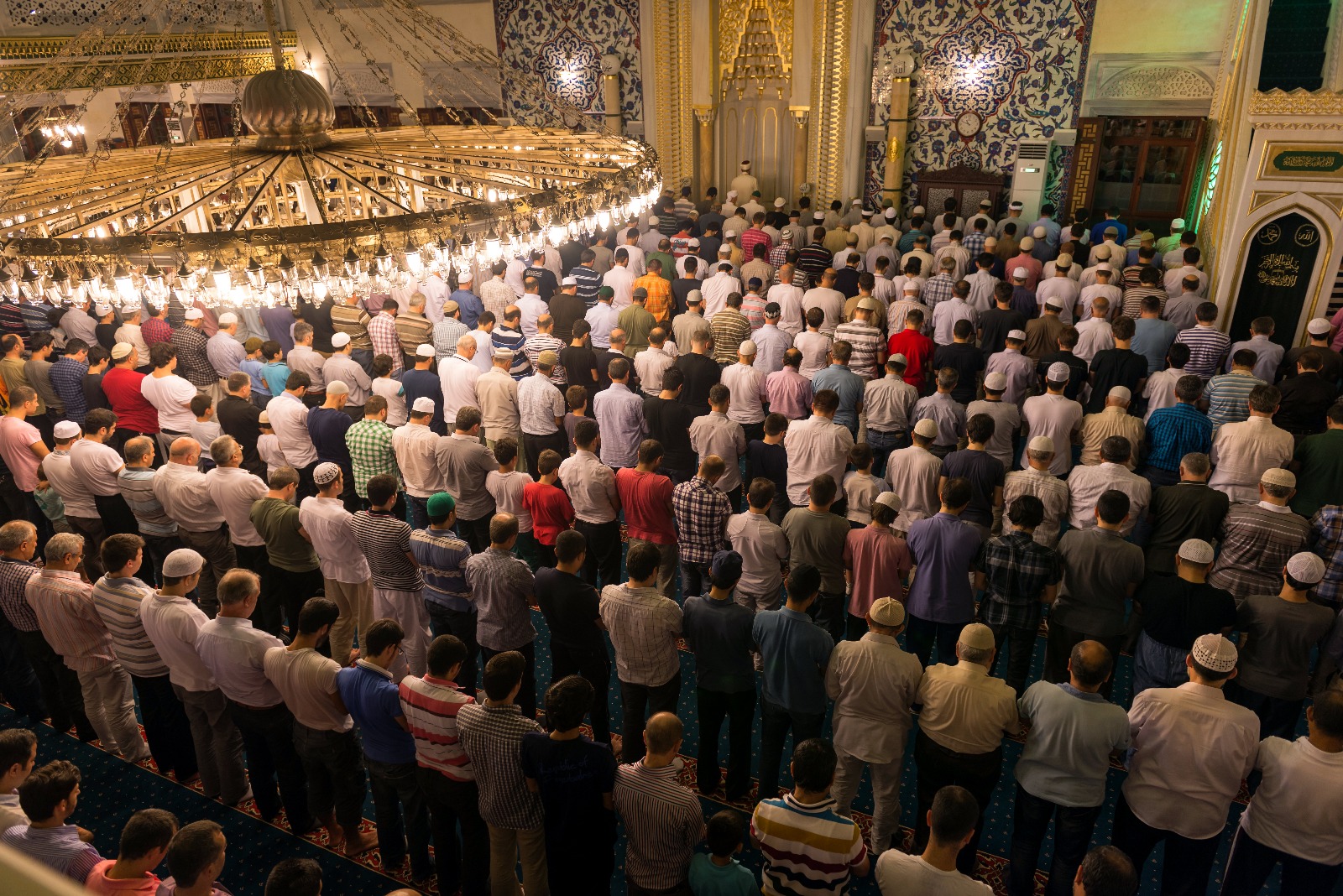
Many people attend a mosque for Taraweeh, where an imam leads the congregation. Others perform it at home, either individually or with family members.
The prayer offers an opportunity to spend additional time in worship during Ramadan. Its length and the number of rakats can vary depending on the congregation, the recitation and the practice being followed.
For a scholarly overview of the prayer’s status and practice, see Egypt’s Dar Al-Ifta guidance on night prayers during Ramadan.
How to Pray Taraweeh Step by Step
The easiest way to understand how to do Taraweeh is to learn the structure of a regular two-rakat prayer first. Taraweeh is generally performed in sets of two rakats, with salam at the end of each set.
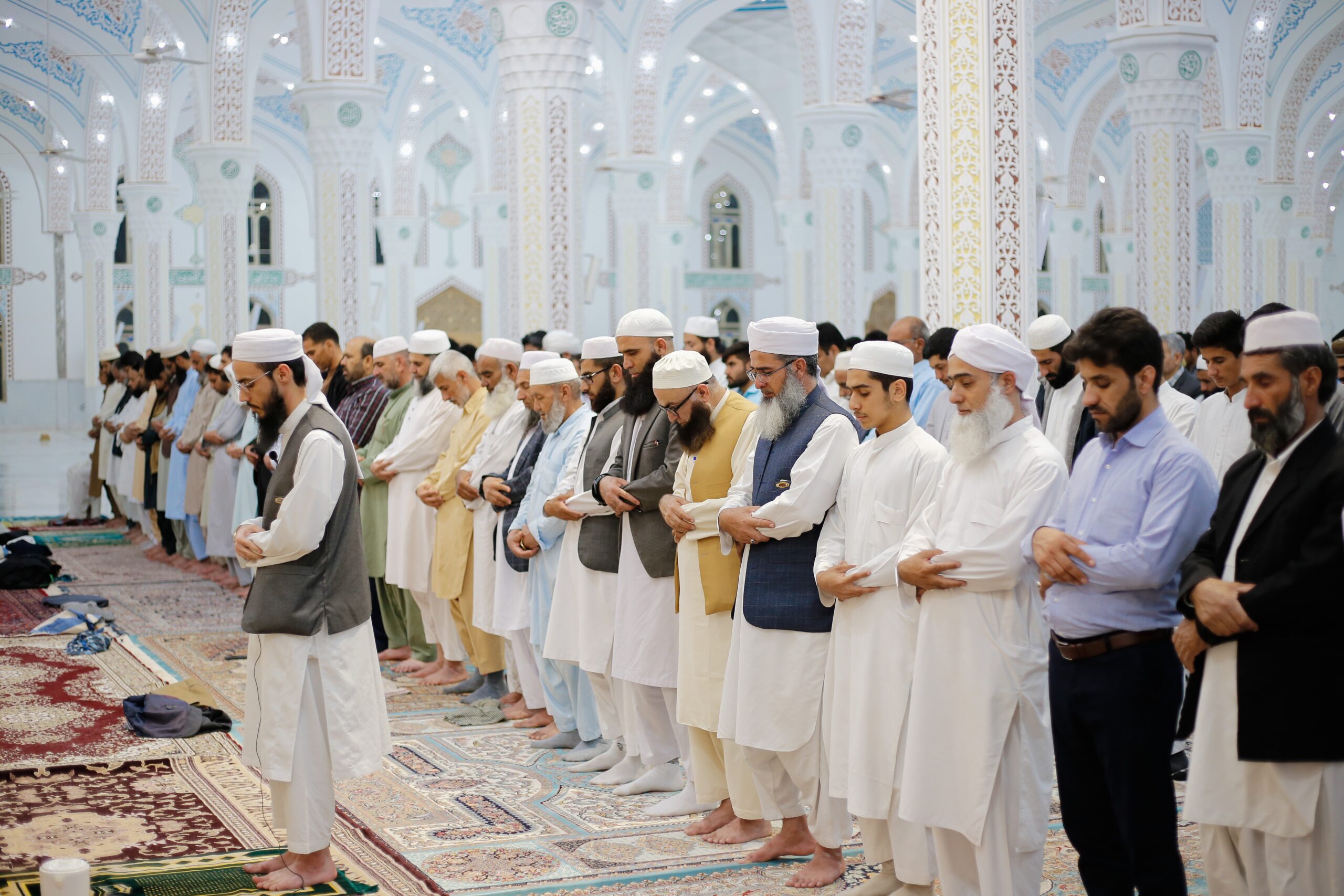
Step 1: Perform Isha first
Taraweeh is normally prayed after completing the Isha prayer. Make sure you have performed the required purification and are wearing clean clothing in a suitable prayer space.
Step 2: Make your intention
Make the intention in your heart to perform Taraweeh. You do not need to say a special sentence aloud to establish your intention.
Step 3: Begin with the opening takbir
Stand facing the Qiblah and begin the prayer by saying Allahu Akbar.
Place your hands according to the practice you follow, then begin the prayer recitation.
Step 4: Complete the first rakat
Follow the usual structure of prayer:
- Recite Surah Al-Fatihah.
- Recite another passage you have memorised.
- Bow in ruku and perform the required remembrance.
- Stand upright again.
- Perform the two prostrations, sitting briefly between them.
Complete each position calmly and correctly. Avoid rushing through the bowing or prostrations just to finish more rakats.
Step 5: Complete the second rakat
Stand for the second rakat and repeat the recitation, bowing and prostrations.
After the second prostration, sit for the final sitting, recite the required testimony and blessings according to the practice you follow, then end the prayer with salam.
You have now completed two rakats of Taraweeh.
Step 6: Repeat the sets
Continue with another two-rakat prayer if you wish to perform more Taraweeh. You can take a short break after four rakats or follow the congregation’s arrangement.
The prayer should remain calm and measured. The aim is not simply to reach a particular number but to perform the prayer properly.
Step 7: Complete the prayer with Witr
Many people finish their night prayers with Witr. The number of Witr rakats and its detailed method vary according to the scholarly practice followed.
If you are praying in a congregation, follow the imam’s arrangement. If you are praying independently, follow a trusted guide for the method you normally practise.
How Many Rakats in Taraweeh?
There is no single number followed by every congregation. Eight and twenty rakats are both established practices, with differences among scholarly traditions concerning the preferred number and how the reports are understood.
A common arrangement is to pray two rakats at a time, giving salam after each pair.
| Taraweeh arrangement | How it works |
|---|---|
| 8 rakats | Four sets of two rakats |
| 20 rakats | Ten sets of two rakats |
| Breaks | Often taken after every four rakats |
| Witr | Commonly performed after Taraweeh to conclude the night’s prayers |
These examples describe common arrangements rather than a requirement that everyone must follow the same total. For an explanation of the scholarly discussion about the number of rakats, read Dar Al-Ifta’s guidance on the number of Taraweeh prayer units.
Can you pray 8 rakats instead of 20?
Yes. Eight-rakat arrangements are followed by some congregations and scholars, while twenty-rakat arrangements are also widely established. Differences in this matter should not be a reason to argue with others or assume that a congregation following another recognised practice is automatically wrong.
Follow a trusted scholar or congregation whose guidance you normally rely on.
Taraweeh Dua: What Should You Recite?
Searches for Taraweeh dua often refer to the supplication recited during a break after four rakats. Some congregations recite a traditional tasbih, while others use the break for personal supplication, remembrance or quiet rest.
It is important to distinguish between a common tradition and a required part of the prayer. You do not have to recite one specific Taraweeh dua after every four rakats for the prayer to be valid.
A commonly recited Taraweeh dua
One traditional supplication recited during some Taraweeh breaks begins:
Arabic:
سُبْحَانَ ذِي الْمُلْكِ وَالْمَلَكُوتِ، سُبْحَانَ ذِي الْعِزَّةِ وَالْعَظَمَةِ وَالْهَيْبَةِ وَالْقُدْرَةِ وَالْكِبْرِيَاءِ وَالْجَبَرُوتِ
Transliteration:
Subhana dhil-mulki wal-malakut, subhana dhil-‘izzati wal-‘azamati wal-haybati wal-qudrati wal-kibriya’i wal-jabarut.
Meaning:
Glory be to the Owner of sovereignty and dominion. Glory be to the Owner of might, greatness, awe, power, majesty and supreme authority.
This is a traditional supplication used in some communities. It should not be presented as a compulsory formula that every worshipper must recite.
Is dua after every four rakats compulsory?
No. A specific supplication after every four rakats is not a universal requirement of Taraweeh. The break can be used for rest, remembrance or personal supplication according to the practice followed.
If your congregation has a particular custom, you can ask its imam to explain the basis and the way it is traditionally practised.
What is dua after 20 rakats of Taraweeh?
There is no single supplication that everyone must recite after completing twenty rakats. Some people make personal supplications, while others conclude the night’s worship with Witr if they have not already performed it.
The appropriate sequence depends on the arrangement followed in your congregation or at home.
Is Taraweeh Compulsory?
Taraweeh is not one of the five obligatory daily prayers. It is a highly recommended voluntary prayer associated with Ramadan.
People who cannot perform it on a particular night should not confuse missing a voluntary prayer with missing an obligatory prayer. Individuals may have different circumstances, and the practice should not become a source of unnecessary hardship.
Is Taraweeh Sunnah?
Yes. Taraweeh is generally classified as a strongly recommended Sunnah. Scholars may explain its status and preferred method using different terminology, but it is not treated as one of the five obligatory daily prayers.
For personal guidance on a specific situation, consult a qualified scholar who understands the practice you follow.
Can You Pray Taraweeh at Home?
Yes. Taraweeh can be performed at home. A person may pray individually or, where appropriate, with family members.
Praying in a mosque allows people to follow an imam and take part in a congregation. Praying at home can be a practical alternative for people who cannot attend, prefer to pray independently or have other circumstances to consider.
How to perform Taraweeh prayer at home
- Complete the Isha prayer.
- Make the intention to pray Taraweeh.
- Pray two rakats and end with salam.
- Repeat the two-rakat sets according to the number you intend to perform.
- Take breaks if needed.
- Complete the night with Witr according to the practice you follow.
You do not need to reproduce the length of a mosque congregation. Choose a manageable arrangement that allows you to pray carefully and consistently.
For additional scholarly guidance, see Dar Al-Ifta’s explanation of where women may pray Taraweeh.
How Long Does Taraweeh Take?
The duration depends on the number of rakats, the length of recitation, the pace of the imam and the length of breaks.
| Arrangement | What affects the duration |
|---|---|
| Shorter Taraweeh | Fewer rakats and shorter recitation |
| Longer Taraweeh | More rakats or longer recitation |
| Congregational Taraweeh | The imam’s pace and the mosque’s schedule |
| Taraweeh at home | Your chosen number of rakats and rest periods |
There is no fixed duration that applies to every mosque. Some congregations finish relatively quickly, while others take longer because they include more extensive recitation and pauses.
If you have time constraints, check the mosque’s schedule in advance or choose a manageable arrangement when praying at home.
Common Mistakes to Avoid During Taraweeh
Rushing through the prayer
Do not sacrifice the required positions and calmness of prayer to finish quickly. Give proper attention to standing, bowing, sitting and prostrating.
Assuming only one number of rakats is valid
Established scholarly practices differ. Learn the reasoning behind the practice you follow rather than treating every difference as a mistake.
Treating one Taraweeh dua as compulsory
A commonly recited supplication may be part of local tradition, but that does not automatically make it obligatory for everyone.
Forgetting Witr arrangements
Some people perform Witr with the congregation, while others plan to perform it later. Understand the arrangement in advance so you know how to complete your night prayers.
Feeling discouraged if you cannot complete a long congregation
Your circumstances may differ from those of other worshippers. Focus on praying correctly and choosing a manageable routine rather than comparing your practice with someone else’s.
Frequently Asked Questions About Taraweeh
How to pray Taraweeh for beginners?
Begin after Isha, make the intention in your heart, and perform two rakats using the normal structure of prayer. End with salam, then repeat the sets according to the arrangement you follow. Ask a trusted teacher to help you learn any positions or recitations you are unfamiliar with.
How many rakats in Taraweeh should I pray?
Eight and twenty rakats are common arrangements. Scholarly traditions differ on the preferred number. You can follow the established practice of your congregation or trusted scholar.
What is the dua in Taraweeh after four rakats?
Some congregations recite a traditional tasbih beginning Subhana dhil-mulki wal-malakut. Other people use the break for remembrance or personal supplication. A single specific dua is not required after every four rakats.
Is there a dua after 20 rakats of Taraweeh?
There is no single required dua after twenty rakats. You may make personal supplications and complete Witr according to the practice you follow.
Can I pray Taraweeh without knowing the special dua?
Yes. The special supplication recited during breaks is not a universal requirement. Focus on learning the prayer itself and the recitations required within it.
Can I pray Taraweeh at home without an imam?
Yes. You can perform Taraweeh individually at home. Pray two rakats at a time, end each set with salam, and follow a trusted guide for the number and Witr arrangement you intend to use.
Can I pray Taraweeh after midnight?
Taraweeh is generally performed after Isha and before dawn. If you are unsure how the timing applies to your circumstances or the prayer arrangement you follow, ask a qualified scholar.
How long does Taraweeh take?
It varies. The number of rakats, recitation length, pace and breaks all affect the total time. Check your local congregation’s schedule if you plan to attend a mosque.
Is Taraweeh compulsory for women?
Taraweeh is a voluntary prayer, not one of the five obligatory daily prayers. Women may pray at home or attend a mosque, according to their circumstances and the guidance they follow.
Prepare for Ramadan 2027
Ramadan 2027 is expected to begin in early February, although the final date depends on the local moon sighting. Preparing ahead of time can help you learn the prayer, understand the differences in common practices and establish a routine before the month begins.
Alongside personal worship, Ramadan is also a time when many people consider how to support families facing hardship. If you would like to help provide practical assistance, explore the charitable projects available through Your Impact Foundation.
Learning how to pray Taraweeh does not require memorising every traditional supplication before you begin. Start with the basic prayer structure, follow reliable guidance, and build your understanding at a comfortable pace.