Medical aid for Palestinians in Gaza can fund medicines, medical supplies, emergency care, mobile clinics, equipment, and other healthcare support. But getting that aid from a donor to a patient is not a simple process.
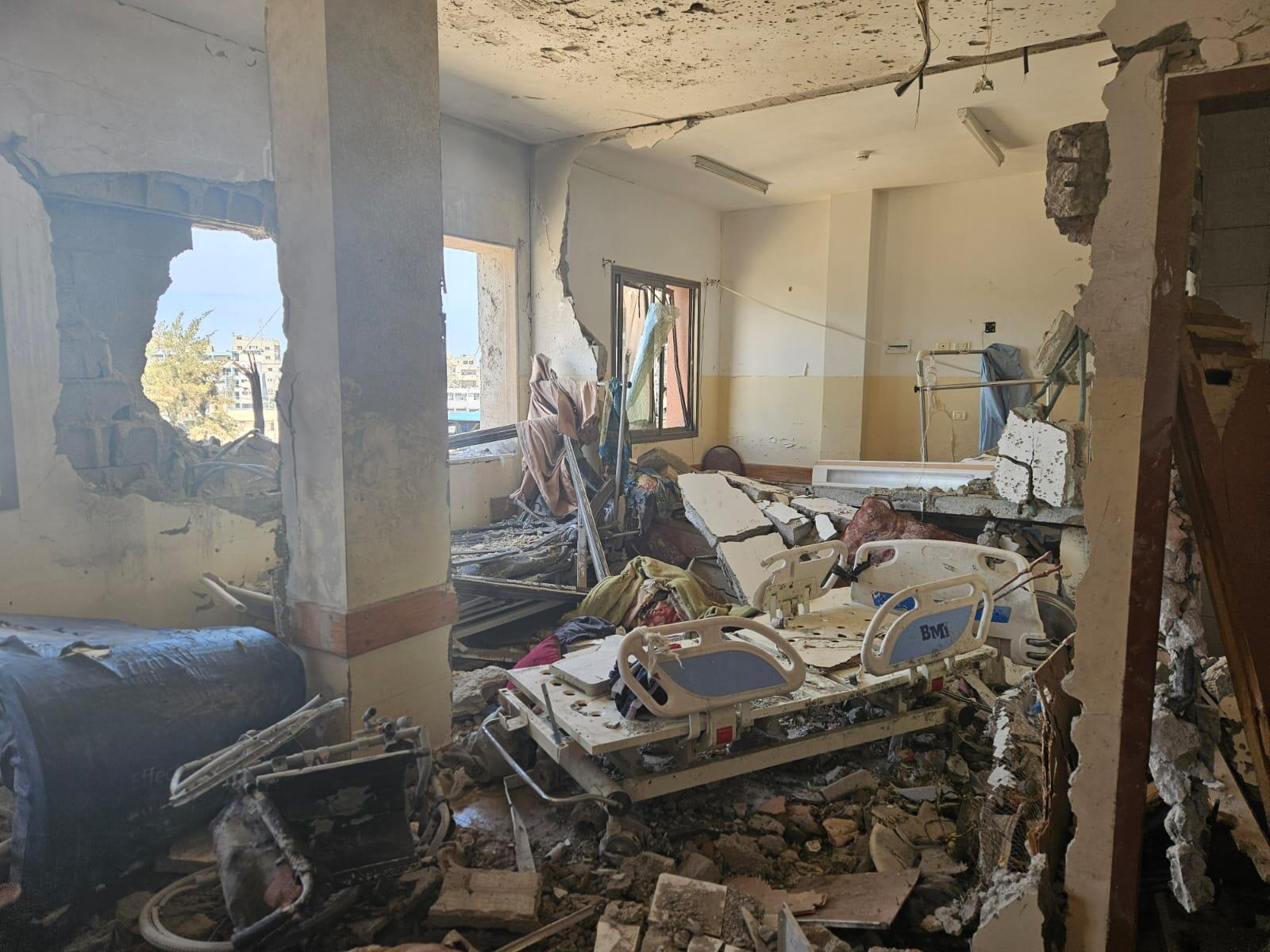
In 2026, Gaza’s health system continues to operate under severe pressure. The World Health Organization’s latest HeRAMS assessment, based on information reported through 31 August 2026, continues to monitor the availability of health services, resources, and barriers across Gaza. WHO says the health system remains severely degraded, while humanitarian organisations continue working to deliver essential healthcare and medical supplies.
For donors searching for Gaza medical aid, understanding the delivery chain matters.
A donation may help purchase medicines or medical equipment, support a mobile medical team, or fund essential healthcare services. But those supplies must still be procured, approved, transported, collected, stored, and delivered through a difficult humanitarian environment
This guide explains what medical aid for Gaza can include, how it moves toward healthcare facilities, what limits delivery, and how you can donate through a UK charity.
Key Takeaways
- Gaza’s health system remains severely degraded in 2026, according to WHO.
- Medical aid can include medicines, medical supplies, equipment, emergency care, mobile clinics, and support for healthcare services.
- Donations do not necessarily mean that a specific item is handed directly to a specific hospital. Organisations may procure and distribute supplies according to assessed needs and access.
- Fuel, damaged infrastructure, shortages of medical supplies, access restrictions, and transport constraints can all affect healthcare delivery.
- ICRC reported that only 19 of Gaza’s 34 pre-conflict hospitals were partially functional in early 2026, with only three of eight surgical hospitals operational at that point.
- If you want your donation to support medical relief, check the charity’s stated delivery model, current appeal, partner arrangements, and reporting.
Gaza’s Health System in 2026
The Gaza health system is not operating under normal conditions.
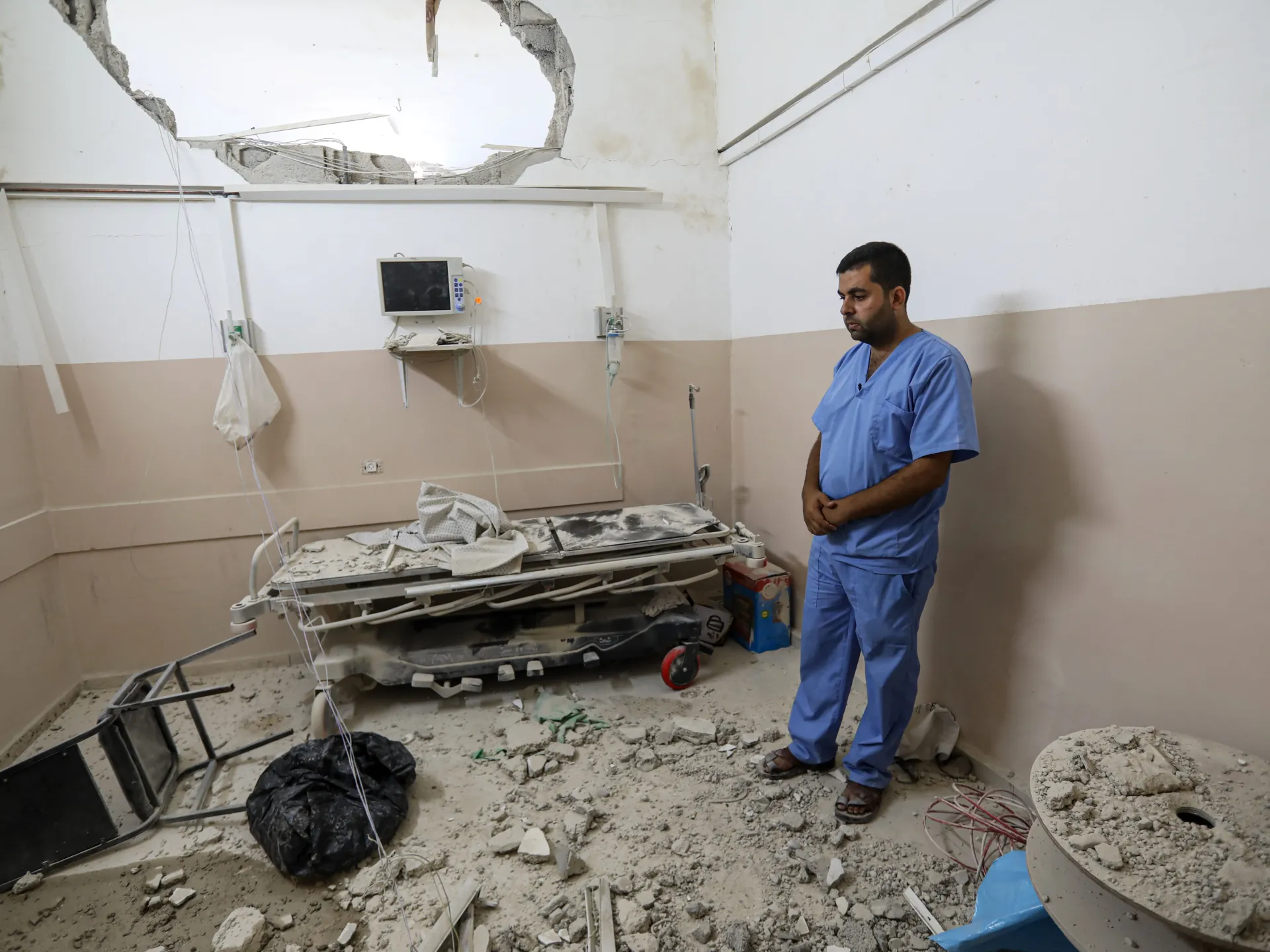
Years of conflict have damaged healthcare infrastructure, disrupted supply chains, displaced healthcare workers and patients, and reduced the availability of essential services.
WHO’s 2026 health emergency appeal says that 2.9 million people across the occupied Palestinian territory are expected to require humanitarian health assistance in 2026, with 2.4 million targeted for health support. The organisation identifies damaged infrastructure, displacement and access restrictions among the factors undermining healthcare.
WHO’s HeRAMS system continues to monitor health-service delivery units across Gaza because their operational status and available resources can change. Its August 2026 assessment uses data reported through 31 August and notes that the analysis remains subject to ongoing verification and validation.
That last point is important.
A current statistic about a hospital or clinic in Gaza should not automatically be treated as permanent.
A facility can reopen partially, lose access to supplies, relocate services, or change its operating capacity as conditions change.
What does a damaged health system mean for patients?
It can affect:
- Emergency treatment
- Surgery
- Maternal and newborn care
- Chronic disease treatment
- Laboratory testing
- Medicines
- Rehabilitation
- Ambulance services
- Primary healthcare
- Infection prevention
- Medical evacuation
WHO says essential health services, including maternal and newborn care and treatment for chronic physical and mental health conditions, have been severely compromised.
The result is that medical aid is not limited to treating war-related injuries.
It can also support people who need ordinary healthcare while the wider health system is under extraordinary pressure.
What Does Medical Aid for Gaza Include?
Medical aid for Gaza can include medicines, medical supplies, equipment, emergency healthcare, mobile medical services, and support that keeps health facilities operating.
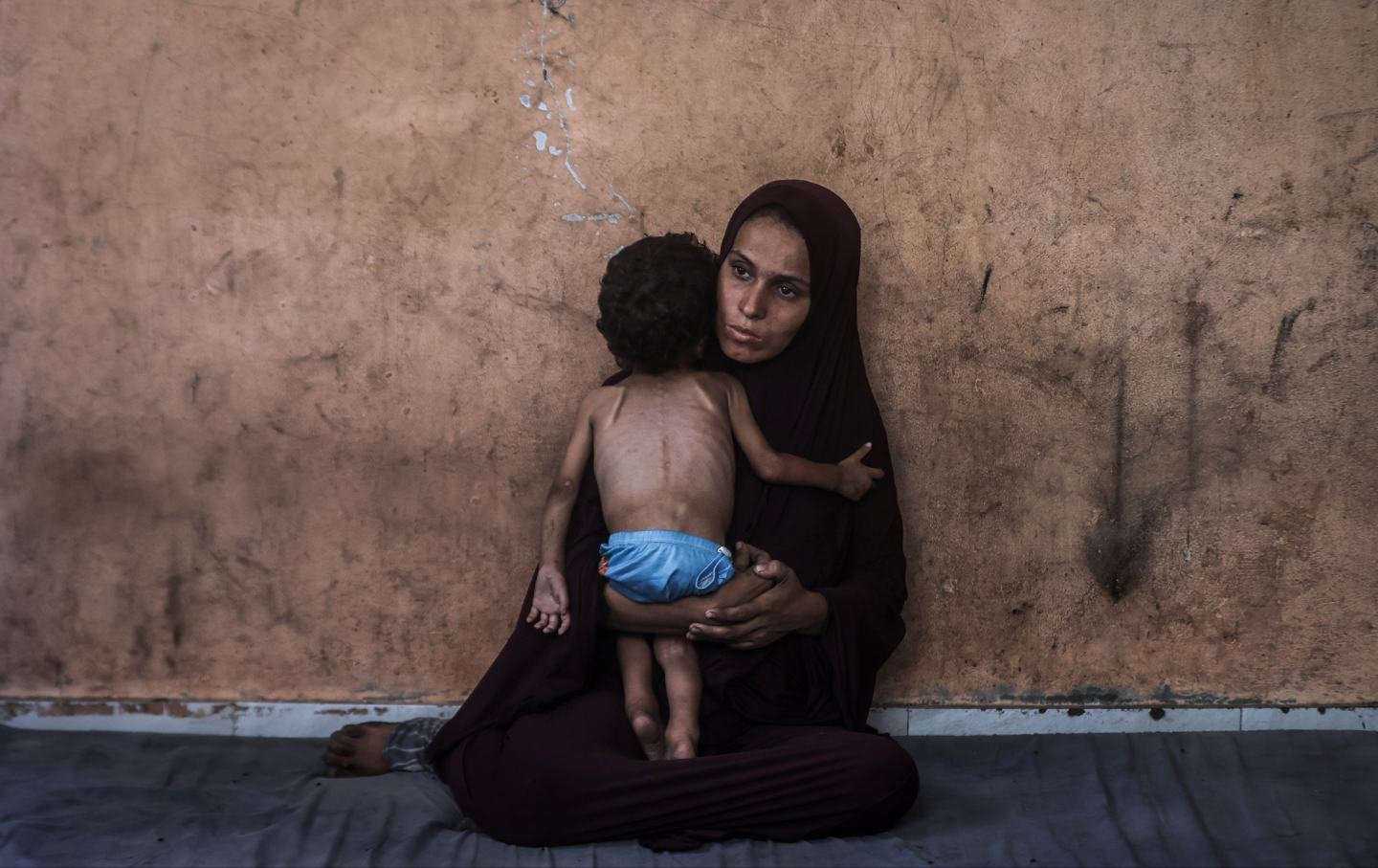
The exact items needed change according to current shortages and clinical priorities.
Medicines
Medicines can be needed for:
- Acute infections
- Pain management
- Diabetes
- Cardiovascular conditions
- Respiratory conditions
- Chronic illnesses
- Emergency treatment
- Other essential healthcare needs
OCHA reported in February 2026 that shortages of medicines and laboratory supplies were continuing to affect treatment for cancer, cardiovascular disease, diabetes and other conditions. Humanitarian partners had also distributed emergency haemodialysis supplies and additional medicines for diabetes and hypertension.
Medical dressings and consumables
Healthcare facilities need more than medicines.
Medical supplies can include:
- Wound dressings
- Gauze
- Syringes
- Gloves
- Sterile supplies
- Catheters
- IV supplies
- Diagnostic consumables
- Infection-control materials
These items may look small compared with hospital equipment, but hospitals and clinics need them continuously.
Emergency medical equipment
Medical aid can also support equipment required for:
- Emergency treatment
- Surgery
- Patient monitoring
- Diagnostics
- Rehabilitation
- Maternal care
- Ambulance services
Whether a specific piece of equipment can enter Gaza depends on the applicable access and approval processes and the organisation responsible for procurement and delivery.
Dialysis support
Patients with kidney failure require regular dialysis.
That makes dialysis supplies a particularly important example of how humanitarian healthcare extends beyond emergency trauma.
OCHA reported that emergency haemodialysis supplies were distributed in February 2026 following a prolonged gap.
Ambulance and transport support
Medical treatment also depends on transportation.
Ambulances may need:
- Fuel
- Maintenance
- Spare parts
- Medical equipment
- Trained crews
OCHA has reported that restrictions affecting fuel, spare parts and other essential items can disrupt ambulance services and humanitarian operations.
How Does Medical Aid Reach Gaza Hospitals?
This is the question many donors have but rarely see explained clearly.
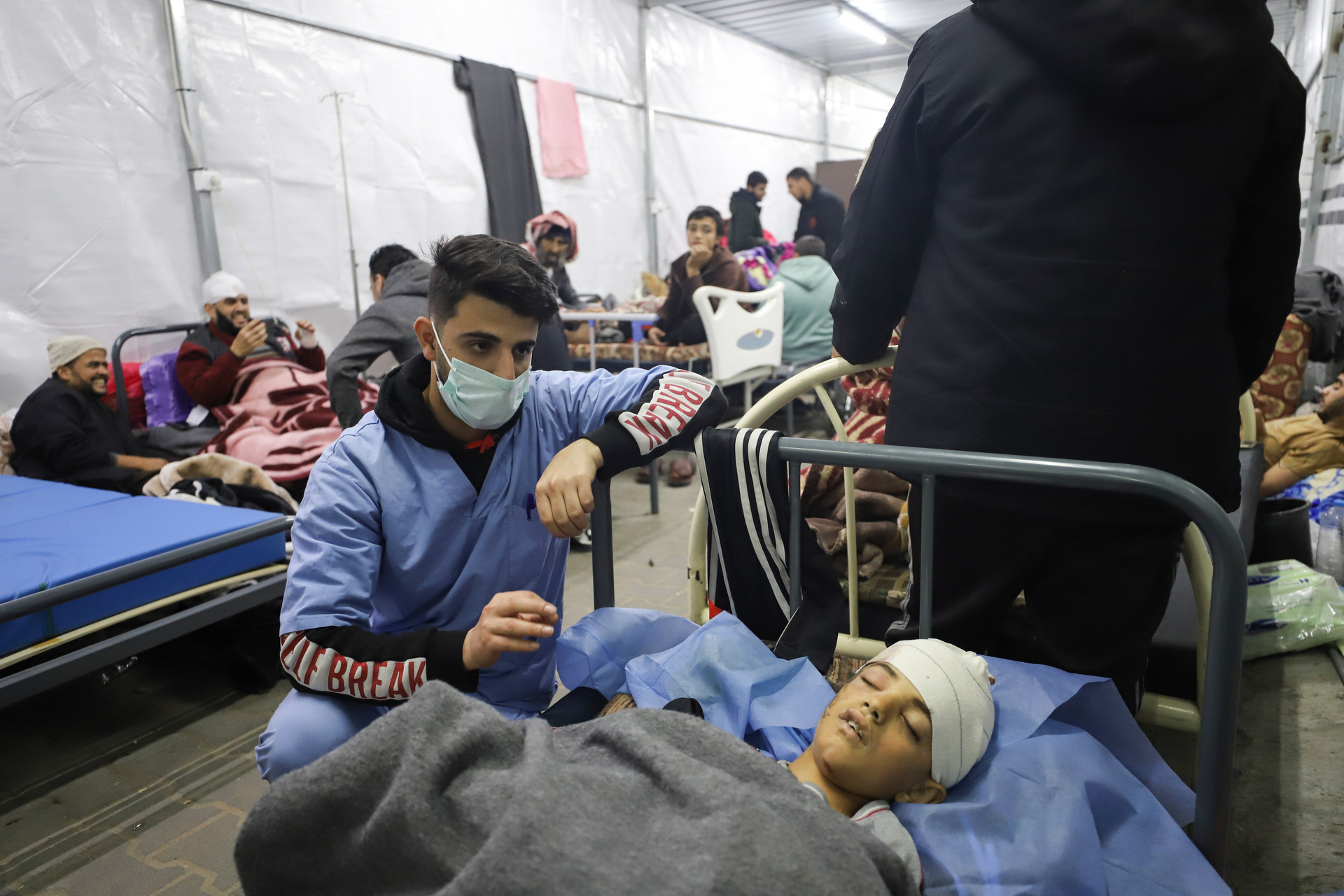
A medical donation usually supports a wider procurement and humanitarian delivery chain rather than travelling directly from an individual donor to a hospital.
A simplified pathway looks like this:
Donor → Charity → Procurement/Partner Network → Humanitarian Entry and Clearance → Gaza Collection → Storage/Distribution → Healthcare Facility → Patient
Every stage can involve delays or changes.
Step 1: Donors contribute funds
A donor gives money specifically for medical aid or to an unrestricted humanitarian fund.
The charity records the donation and allocates it according to the terms of the appeal.
Step 2: The organisation assesses needs
A humanitarian organisation or its local partners identify current needs.
Those needs may include medicines, dressings, equipment, medical teams, fuel, mobile clinics, or other health services.
This matters because buying an item simply because it sounds useful does not guarantee that it is the most urgent medical need.
Step 3: Supplies are procured
Organisations may purchase supplies through established procurement networks.
In some cases, they may work with local suppliers or humanitarian partners.
The objective is to source items that can actually be used within the operating environment.
Step 4: Supplies move toward Gaza
Humanitarian cargo must pass through available entry mechanisms and required procedures.
This is one of the biggest constraints.
OCHA reported in June 2026 that humanitarian partners were collecting cargo from Kerem Shalom, which at that time was the only operational crossing for supplies into Gaza. It also reported continuing shortages and high costs for fuel, generator oil, spare parts and medical supplies.
Conditions can change, however.
Earlier in 2026, OCHA reported the reopening of the Zikim crossing and the resumption of cargo collection there, while also noting customs, scanning and approval constraints.
This illustrates why responsible charities should avoid promising that a donation will follow one fixed route.
Step 5: Humanitarian teams collect and distribute supplies
Once supplies enter Gaza, they may need to be collected, stored and transported to the relevant healthcare service.
This can involve warehouses, vehicles, local teams, medical partners and health facilities.
Step 6: Healthcare workers use the aid
The final stage is patient care.
Medical supplies can then support:
- Hospital patients
- Emergency departments
- Primary-care patients
- Mobile clinics
- Field hospitals
- Patients with chronic illnesses
- Mothers and children
- People requiring rehabilitation
Why Medical Aid Delivery Is So Difficult
Donating money is easy.
Delivering healthcare in an active humanitarian crisis is not.
Several factors can affect the process.
Damaged infrastructure
Hospitals and clinics require functioning buildings, electricity, water, sanitation, transport and communications.
When infrastructure is damaged, simply delivering medicine is not enough.
Healthcare workers need somewhere safe and functional to use it.
Fuel shortages
Healthcare facilities and humanitarian operations can depend on fuel for generators and vehicles.
OCHA has repeatedly reported the effect of fuel and spare-parts shortages on humanitarian operations.
Medical supply shortages
Even when some supplies enter Gaza, specific items may remain unavailable.
OCHA reported in June 2026 that critical medical supply gaps continued to limit the health response. It noted, for example, shortages affecting insulin syringes, medicines and laboratory supplies in UNRWA-supported services.
Access and approval requirements
Medical cargo may require approvals, screening, customs procedures or other processes before entering Gaza.
OCHA reported in April 2026 that customs clearance could be delayed and insufficient scanning capacity made it difficult to secure approval for some critical items.
Security and movement constraints
Humanitarian organisations also have to consider the safety of healthcare workers, drivers, patients and aid personnel.
This can affect when and where supplies can move.
What Can a Medical Donation Actually Buy?
Donors often want a concrete answer.
The answer depends on the organisation, the appeal, current prices, procurement arrangements and the needs identified on the ground.
Your Impact Foundation currently gives several illustrative medical-aid amounts on its Gaza and emergency donation pages:
| Donation | Published example |
|---|---|
| £100 | Life-saving medicine |
| £250 | One-quarter of a truck of critical medicine |
| £500 | Half a truck of critical medicine |
| £1,000 | A full truck of life-saving medicine |
| £5,000 | Support for a mobile medical clinic |
These figures are Your Impact Foundation’s current published examples, not universal prices for medical aid in Gaza. Procurement costs and needs can change.
The foundation also states that its Gaza response includes medical-aid coordination, medicines and support for mobile medical units working with medical teams on the ground.
Why you should treat donation examples carefully
A £100 donation does not necessarily mean a charity will purchase exactly £100 worth of one named medicine and hand it to one patient.
Humanitarian procurement often works at scale.
Donations can be pooled to purchase larger quantities of supplies or support broader medical operations.
That approach can be more practical when hospitals need many different items at the same time.
Partners on the Ground
Large-scale medical relief usually depends on partnerships.
No single organisation can independently manage every part of healthcare delivery in Gaza.
The humanitarian health response includes organisations such as:
- World Health Organization (WHO)
- International Committee of the Red Cross (ICRC)
- Palestine Red Crescent Society (PRCS)
- UN agencies
- International and local humanitarian organisations
- Emergency medical teams
- Healthcare facilities and local health workers
The ICRC reported that during the first half of 2026, its supported health services delivered more than 710,000 consultations across five primary healthcare centres and made 140 donations of medical supplies and equipment to 24 health facilities.
The ICRC also reported that its Red Cross Field Hospital in Rafah was operating in partnership with the Palestine Red Crescent Society and 16 National Red Cross and Red Crescent Societies.
These examples show how healthcare delivery can involve multiple organisations working together rather than a single charity operating an isolated hospital.
How Medical Aid Supports Hospitals and Clinics
Medical aid does not always arrive at a traditional hospital.
Depending on the response, support may reach:
- Hospitals
- Field hospitals
- Primary healthcare centres
- Mobile clinics
- Medical points
- Ambulance services
- Rehabilitation services
OCHA reported in June 2026 that health partners were operating emergency medical teams, mobile and fixed facilities, and field hospitals across Gaza.
This wider network matters because patients may not be able to reach a major hospital.
Mobile and primary healthcare services can bring treatment closer to displaced and underserved communities.
Medical Aid for Palestinians UK: How Can People Donate?
If you are searching for medical aid for Palestinians UK, look for a charity that clearly explains:
- Where donations are going
- What medical programmes they support
- Whether aid is delivered directly or through partners
- How funds are allocated
- What happens if access conditions change
- Whether the organisation publishes reports or updates
- Its registration and governance information
A transparent donation page should not promise that every pound will purchase a specific item if procurement and delivery conditions make that impossible.
Instead, it should explain what the donation supports and how the organisation responds when circumstances change.
How to Donate to Gaza Hospitals
If your intention is specifically to support healthcare, you can donate to Gaza medical aid through Your Impact Foundation.
Your Impact Foundation states that it is a UK-registered charity, Charity No. 1192710, and says its Gaza response includes medical-aid coordination, medicines and support for mobile medical units through local partners.
Before donating, check these five things
1. Is the appeal specific?
Look for a clear medical-aid purpose rather than vague promises.
2. Does the charity explain its delivery model?
Find out whether it works through local partners, medical teams, established humanitarian networks or direct operations.
3. Does it acknowledge access constraints?
This is important for Gaza.
A credible organisation should explain that delivery can be affected by crossings, approvals, security, fuel, supply shortages and infrastructure.
4. Are donation amounts explained honestly?
If the charity gives examples of what different amounts can support, check whether these are current illustrative figures or guaranteed purchases.
5. What happens if the stated project cannot proceed?
Humanitarian conditions can change quickly.
Your Impact Foundation’s broader emergency appeal states that if a project becomes fully funded, access is restricted or circumstances change, donations may be directed toward another urgent appeal.
Your Donation Can Support More Than Emergency Trauma Care
When people hear “medical aid,” they often think only about emergency injuries.
But Gaza’s healthcare needs are broader.
People may need treatment for:
- Diabetes
- Cardiovascular disease
- Cancer
- Kidney disease
- Respiratory illness
- Infections
- Maternal health needs
- Paediatric conditions
- Rehabilitation needs
- Mental health conditions
WHO says thousands of people have suffered life-changing injuries and require long-term rehabilitation, while essential services for chronic conditions remain severely compromised.
This is why medical aid can mean both emergency response and continuity of essential healthcare.
Medical Aid and the Wider Gaza Humanitarian Crisis
Healthcare cannot be separated completely from other humanitarian needs.
A hospital needs electricity.
Patients need water.
Families need food.
Ambulances need fuel.
Healthcare workers need safe transportation.
Communities need sanitation to reduce disease risks.
OCHA reported in June 2026 that acute respiratory illness and skin diseases remained among the frequently reported conditions, while health-service delivery continued to face shortages and high costs affecting fuel, generator oil, spare parts and medical supplies.
That is why some donors choose a dedicated medical aid for Gaza appeal, while others prefer an unrestricted humanitarian fund that allows a charity to respond to whichever urgent need is greatest.
If you want to support the wider emergency, you can read our guide to the Gaza humanitarian crisis and ways to help.
Should You Donate Specifically to Medical Aid or Where the Need Is Greatest?
There is no single answer for every donor.
A restricted medical donation allows you to express a clear preference for healthcare support.
An unrestricted emergency donation gives the responding organisation more flexibility to move funds toward urgent needs as conditions change.
For example, a medical appeal may be appropriate when your priority is healthcare.
A flexible fund may be useful when food, water, shelter or medical needs are changing rapidly.
Your Impact Foundation’s Need Is Greatest fund states that donations are used flexibly for urgent needs including medical care, food, clean water and shelter.
If you want to give without restricting the response to healthcare, you can donate where the need is greatest.
A Transparent Way to Think About Your Gaza Donation
Before donating, think about the full chain:
Your money → procurement → humanitarian access → transport → local partner → healthcare service → patient
A problem at any point can slow the process.
That does not mean a donation has no value.
It means responsible humanitarian giving requires realistic expectations.
The strongest donation appeals explain both what they are trying to achieve and what can prevent immediate delivery.
That is particularly important in Gaza, where WHO, OCHA and ICRC continue to report major healthcare and access constraints.
FAQs About Medical Aid for Gaza
What is medical aid for Gaza?
Medical aid for Gaza includes healthcare support such as medicines, medical supplies, equipment, emergency treatment, mobile clinics, field hospitals, rehabilitation and other services needed by patients and healthcare facilities.
How can I donate to Gaza hospitals?
You can donate through a humanitarian organisation that supports healthcare services in Gaza. Before giving, check its current medical appeal, delivery model, partner arrangements and reporting.
Does medical aid actually reach Gaza?
Medical aid does enter Gaza, but delivery is affected by access, approval, security, transport and supply constraints. OCHA has documented the entry and collection of medical supplies while also reporting continuing restrictions and shortages.
What medical supplies are needed in Gaza?
Needs change over time, but reported shortages have included medicines, laboratory supplies, dialysis supplies, medical consumables, fuel and equipment. OCHA reported continuing critical medical supply gaps in June 2026.
Can donations pay for medicines?
Yes. A medical-aid donation can support the procurement and distribution of medicines when the organisation’s programme allows it. However, donors should not assume that a specific donation will always purchase a particular medicine. Needs, prices, availability and procurement arrangements change.
Can donations support ambulances?
Medical-aid programmes can support ambulance operations, including associated fuel, maintenance or medical equipment, depending on the organisation and appeal. OCHA has reported that shortages affecting fuel and spare parts can disrupt ambulance services.
Does Gaza need medical aid beyond emergency injuries?
Yes. Healthcare needs include chronic diseases, maternal and newborn care, rehabilitation, infections and other essential health services in addition to emergency trauma care. WHO continues to report severe disruption to essential healthcare services.
Are hospitals in Gaza still operating?
Some hospitals and health facilities continue to operate, but many are only partially functional or operating under severe constraints. The exact status changes over time, which is why WHO continues to monitor health-service availability through HeRAMS.
What is the Gaza health system like in 2026?
The Gaza health system remains severely degraded, with damaged infrastructure, shortages of supplies and fuel, access restrictions and reduced healthcare capacity. WHO’s 2026 health emergency appeal describes major continuing health needs.
Can I donate to medical aid for Palestinians from the UK?
Yes. UK donors can support Palestinian medical relief through registered charities and humanitarian organisations operating or partnering in the region. Check the organisation’s UK registration, current appeal and delivery information before donating.
Is there a difference between Gaza medical aid and general Palestine aid?
Yes. Gaza medical aid is specifically directed toward healthcare needs in Gaza. Broader Palestine aid may include healthcare as well as food, water, shelter, livelihoods and other humanitarian support across the occupied Palestinian territory.
Why can’t charities simply send everything directly to hospitals?
Medical supplies may need procurement, approval, transport, collection, storage and distribution. Access conditions, security, infrastructure and available routes can affect every stage.
Does every medical donation go directly to a hospital?
Not necessarily. A medical donation may support procurement, mobile clinics, field hospitals, emergency medical teams, local healthcare partners, medicines, equipment or other parts of the health response.
How do I know whether a Gaza medical charity is trustworthy?
Check its registration, published programme information, delivery partners, financial policies, impact reporting and explanations of how funds are used. Be cautious of organisations making absolute delivery promises in a highly changeable humanitarian environment.
Support Medical Aid for Gaza Today
Gaza’s healthcare needs in 2026 extend far beyond emergency surgery.
Patients need medicines.
Hospitals need supplies.
Dialysis patients need treatment.
Healthcare workers need functioning facilities and equipment.
Ambulances need fuel and maintenance.
Communities need access to primary healthcare.
The evidence from WHO, OCHA and ICRC shows that medical services continue despite severe constraints, but the health system remains under substantial pressure.
A donation cannot remove every barrier to healthcare delivery.
But it can help fund the medical response that operates within those constraints.
If your priority is healthcare, you can donate to Gaza for medical aid through Your Impact Foundation.
If you want to support the wider emergency, read about the Gaza humanitarian crisisor choose the Need Is Greatest fund to give the organisation more flexibility to respond to urgent humanitarian needs.
Give with compassion, but also with informed expectations. In a crisis as complex as Gaza, transparency about both impact and limitations matters.