The Spiritual Significance of Feed the Fasting Ramadan
Ramadan is the holiest month in the Islamic calendar, a time when Muslims worldwide observe fasting from dawn until sunset as one of the Five Pillars of Islam. Beyond personal spiritual growth through abstaining from food, drink, and worldly desires, Ramadan presents a profound opportunity for charitable giving.
The act of feeding the fasting holds a special place in Islamic tradition, offering immense rewards that extend far beyond the immediate satisfaction of hunger. For UK Muslims seeking to maximise their worship during this blessed month, understanding the significance of providing iftar meals to those in need can transform both the giver and the receiver.
The concept of feeding the fasting encompasses far more than simply providing food. It represents a beautiful convergence of spiritual devotion, communal solidarity, and humanitarian compassion. When you feed the fasting in Ramadan, you are not merely satisfying physical hunger—you are participating in a prophetic tradition that has echoed through centuries, connecting believers across time and geography in a shared act of worship.
This comprehensive guide explores the Quranic foundations, hadith traditions, practical methods, and contemporary opportunities for UK Muslims to engage in this blessed act of charity, whether through direct community involvement or supporting established humanitarian organisations working in crisis zones across the globe.
The reward for feed the fasting Ramadan is so magnified that the Prophet Muhammad (peace be upon him) described it as equivalent to the reward of the fasting person himself, without any diminishment in the original person’s reward. This extraordinary promise has inspired generations of Muslims to prioritise feeding the fasting as a central component of their Ramadan worship, making it one of the most beloved forms of sadaqah and a powerful means of drawing closer to Allah during the most sacred month of the year.
Quranic Verses and Hadiths About Feeding the Fasting
The Islamic tradition of feeding the fasting is deeply rooted in both the Quran and the authenticated sayings of the Prophet Muhammad (peace be upon him). Understanding these scriptural foundations not only provides religious legitimacy for this practice but also illuminates the profound spiritual benefits awaiting those who engage in it. These texts have guided Muslim charitable practices for over fourteen centuries and continue to inspire contemporary humanitarian efforts worldwide.
Quranic Foundations
The Holy Quran emphasises the importance of feeding others throughout its verses, establishing charity as a fundamental characteristic of the righteous believer. In Surah Al-Insan (76:8-9), Allah describes the righteous as those who give food, despite their own love for it, to the needy, the orphan, and the captive.
The verse continues with the powerful declaration: “We feed you only for the countenance of Allah. We wish not from you reward nor gratitude.” This foundational verse establishes that feeding others should be done purely for Allah’s sake, without expecting anything in return from the recipients.
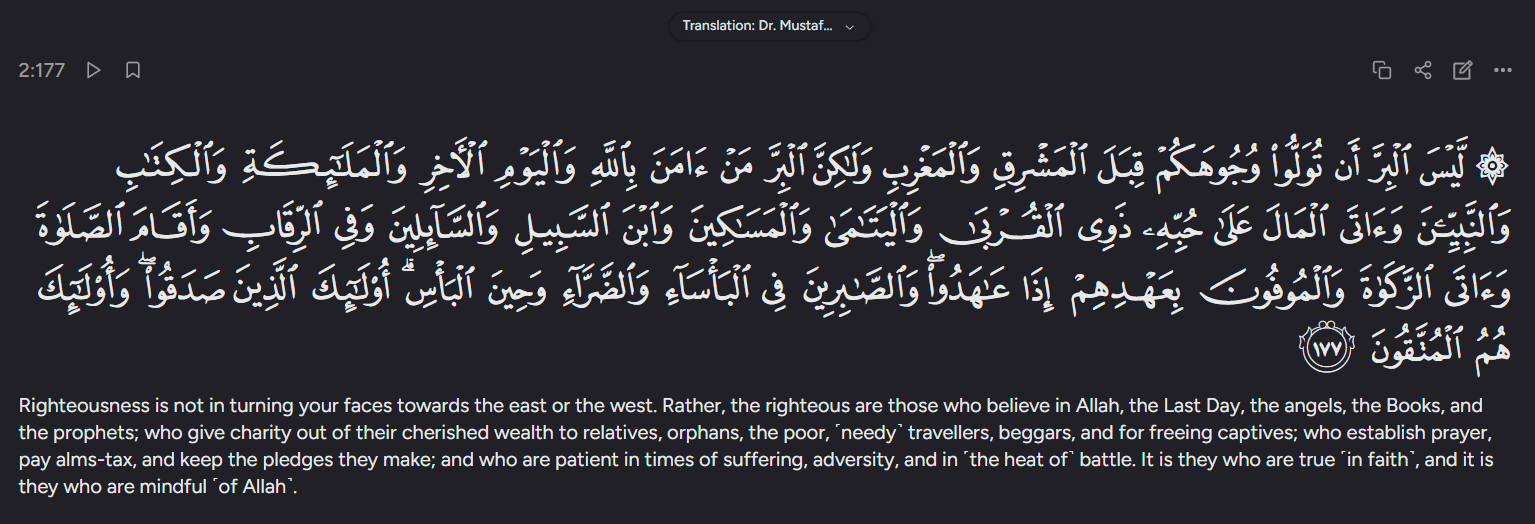
In Surah Al-Baqarah (2:177), righteousness is defined not merely by facing a particular direction in prayer, but by believing in Allah, the Last Day, the angels, the Book, and the prophets—and significantly, by giving wealth, in spite of love for it, to relatives, orphans, the needy, the traveller, those who ask, and for freeing slaves. This comprehensive definition of piety places feeding the hungry and supporting those in need at the very heart of Islamic faith, making ramadan feeding poor an essential expression of belief.
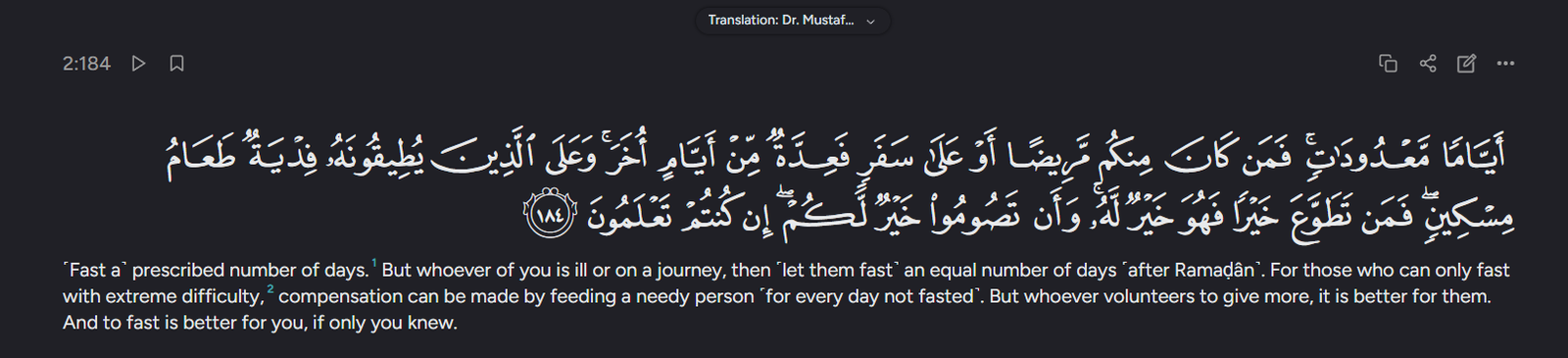
The Quran also specifically addresses the virtue of feeding during the context of fasting in Surah Al-Baqarah (2:184), where those who are able to fast but find it difficult are permitted to redeem their fasts by feeding a poor person for each day missed. This provision, known as fidya, establishes a direct connection between the act of fasting and the act of feeding, demonstrating that these two acts are spiritually complementary and interconnected in Islamic legislation.
The Primary Hadith: A Reward Without Diminishment
The most famous hadith regarding feeding the fasting is recorded by Imam Ahmad and Ibn Khuzaymah, where the Prophet Muhammad (peace be upon him) said:
“Whoever gives food to a fasting person to break his fast, he will have a reward like his, without that detracting from his reward in the slightest.”
This extraordinary hadith reveals the magnanimity of Allah’s reward system. When you provide iftar to a fasting person, you receive the same reward as if you had fasted that day
yourself—yet the original fasting person’s reward remains completely intact. The scholars of Islam have marvelled at this divine generosity, noting that it represents one of the most accessible pathways to multiplied rewards in Islam. A person who cannot fast due to illness, travel, or other legitimate reasons can still earn the reward of fasting simply by facilitating someone else’s fast through providing the iftar meal.
Additional Authenticated Hadiths
Several other authenticated hadiths further illuminate the virtues of feeding the fasting, providing additional context and encouragement for this blessed practice:
In a hadith recorded by At-Tirmidhi, the Prophet (peace be upon him) said:
“When a man goes out of his house to his mosque, for every step he takes, his rank is raised by one degree and one of his sins is erased. When he prays, the angels continue to invoke blessings upon him as long as he remains in his place of prayer, saying: ‘O Allah, have mercy on him, O Allah, forgive him, O Allah, accept his repentance,’ as long as he does not harm anyone or break his wudu.”
Regarding the best form of charity, the Prophet (peace be upon him) said in a hadith recorded by Al-Bukhari: “The best charity is that which is given in Ramadan.” This hadith specifically elevates all forms of charity during the blessed month, and by extension, feeding the fasting becomes one of the most meritorious acts a Muslim can perform during Ramadan.
In the famous hadith of intercession recorded by Al-Bukhari and Muslim, among those who will be shaded by Allah’s throne on the Day when there is no shade except His is “a man who gives charity and hides it, such that his left hand does not know what his right hand has given.” This principle of discreet charity applies beautifully to feeding the fasting, where many choose to provide iftar meals anonymously through charitable organisations, ensuring that the act remains purely for Allah’s sake.
Table 1: Key Hadith References for Feeding the Fasting
| Source | Topic | Key Teaching |
| Ibn Khuzaymah | Reward of Fasting | Equal reward without diminishment |
| At-Tirmidhi | Best Charity | Charity in Ramadan is most virtuous |
| Al-Bukhari | Hidden Charity | Allah’s shade for discreet givers |
| Imam Ahmad | Feeding the Fasting | Multiply rewards for feeding others |
Who Are the Fasting? Understanding the Beneficiaries of Your Charity
When we speak of feeding the fasting, it is essential to understand who these recipients are and why they might need assistance in the first place. The category of “those who fast” encompasses a diverse range of individuals, each with unique circumstances and needs. Understanding these beneficiaries allows UK Muslims to make informed decisions about where their charity can have the greatest impact and how best to serve their brothers and sisters in faith during the blessed month of Ramadan.
The Poor and Needy Muslims
The most obvious beneficiaries of feed the fasting programmes are those Muslims who observe the fast but lack the means to provide themselves with adequate meals for suhoor (pre-dawn meal) and iftar (breaking of fast). These individuals may be living in poverty, struggling with unemployment, or facing temporary financial hardship.
For them, the act of fasting while experiencing hunger and thirst during daylight hours is compounded by the anxiety of not knowing where their next meal will come from when sunset arrives. Providing iftar meals to these individuals not only fulfils a humanitarian need but also ensures that they can continue their worship without the additional burden of food insecurity.
In many Muslim-majority countries, poverty rates remain staggeringly high, with large portions of the population living on less than a few pounds per day. Countries like Yemen, where years of conflict have created the world’s worst humanitarian crisis, see millions of Muslims struggling to observe Ramadan while their families face acute malnutrition.
Similarly, in Syria, Gaza, and parts of sub-Saharan Africa, countless Muslims fast with the hope of earning Allah’s reward, despite not knowing whether they will have anything to eat when the sun sets. These are the people most deserving of our ramadan feeding programmes, and their circumstances make the act of providing iftar particularly meaningful.
Orphans and Vulnerable Children
Orphaned children represent a particularly vulnerable group during Ramadan. Having lost one or both parents, these children often lack the support system that would normally ensure their nutritional needs are met. The Prophet Muhammad (peace be upon him) himself was an orphan, and he emphasised the special status of caring for orphans throughout his teachings.
In a famous hadith, he promised that the one who cares for an orphan will be with him in Paradise, likening their closeness to two fingers held together. When we provide iftar meals to orphanages and children’s homes, we are not only feeding the fasting but also fulfilling a prophetic injunction to care for society’s most vulnerable members.
The Elderly and Infirm
Elderly Muslims who fast despite their advancing years, and those who are ill but still able to observe the fast, often require additional support during Ramadan. Many elderly individuals live alone, having outlived their spouses or with children who have moved away or passed on. For them, the challenge of fasting is not only physical but also practical—preparing nutritious meals for suhoor and iftar may be difficult or impossible.
Similarly, those managing chronic illnesses may have specific dietary requirements that make it challenging to maintain proper nutrition during Ramadan. Providing meals tailored to their needs ensures that these members of our community can continue to participate in the spiritual benefits of fasting without compromising their health.
Refugees and Displaced Persons
In our contemporary world, millions of Muslims find themselves displaced from their homes due to conflict, persecution, or natural disasters. These refugees and internally displaced persons (IDPs) often observe Ramadan in makeshift camps, temporary shelters, or unfamiliar cities, far from the support networks they once relied upon. For Palestinian families in Gaza, Syrian refugees in neighbouring countries, Rohingya Muslims in Bangladesh, and countless others, feeding the fasting takes on a particularly urgent dimension.
These individuals have lost everything—their homes, their livelihoods, and often their family members—yet they strive to maintain their Islamic identity through fasting. Providing them with iftar meals is not only an act of charity but also one of solidarity and compassion with those who have lost so much.
Different Ways to Feed the Fasting
The practical methods for feeding the fasting are diverse, offering UK Muslims multiple pathways to engage in this blessed act of worship. From local community initiatives to international humanitarian programmes, the opportunities to provide iftar meals are limited only by our resources and imagination. Understanding these different approaches allows individuals to choose the method that best aligns with their circumstances, preferences, and the impact they wish to achieve during Ramadan.
Community Iftar Meals
One of the most visible forms of feeding someone in ramadan is through community iftar meals organised at mosques, Islamic centres, and community halls across the UK and worldwide. These gatherings bring together Muslims from diverse backgrounds to break their fast collectively, embodying the spirit of brotherhood and unity that Ramadan promotes.
Community iftars typically serve dates and water to break the fast immediately after sunset, followed by a more substantial meal that might include rice, meat dishes, soups, and beverages. Many mosques in the UK host nightly iftar programmes throughout Ramadan, funded entirely by community donations and staffed by volunteers. Contributing to these programmes, whether financially or through volunteering, is an excellent way to participate in feeding the fasting at a local level.
Food Pack Distribution
Food pack distribution represents one of the most practical methods for feeding the fasting, particularly in areas where daily meal service is impractical or where families prefer to prepare their own meals at home. A typical Ramadan food pack contains staples such as rice, flour, cooking oil, sugar, lentils, dates, and other essential items sufficient to feed a family for the entire month or a significant portion of it.
This approach empowers recipients to maintain their dignity by cooking meals according to their own preferences and cultural traditions while ensuring they have the necessary ingredients to observe Ramadan without food insecurity. Many UK-based charities, including Your Impact Foundation, organise food pack distribution programmes in crisis zones such as Gaza, Yemen, and Syria, where conflict and displacement have made accessing food extremely difficult.
Hot Meal Programmes
Hot meal programmes provide freshly prepared iftar meals that are distributed to beneficiaries on a daily basis throughout Ramadan. These programmes are particularly valuable in areas where cooking facilities are limited, such as refugee camps, or where the population includes many individuals without access to kitchens.
Hot meals might include traditional Ramadan dishes such as lentil soup, rice with meat or vegetables, samosas, and other foods that provide warmth and nourishment after a day of fasting. The preparation and distribution of hot meals requires significant logistical coordination, but the immediate impact on recipients—providing a hot, nutritious meal at the exact moment of breaking fast—makes this approach particularly meaningful and effective.
Table 2: Comparison of Feeding the Fasting Methods
| Method | Best For | Advantages | Considerations |
| Community Iftar | Local UK communities | Builds community unity | Limited reach |
| Food Packs | Families in crisis zones | Month-long impact | Requires cooking access |
| Hot Meals | Refugees, displaced | Immediate nourishment | Daily logistics needed |
How UK Muslims Can Participate in Feed the Fasting Programs
For Muslims living in the United Kingdom, participating in feeding the fasting programmes offers a meaningful way to fulfil both religious obligations and humanitarian responsibilities during Ramadan. The UK is home to a thriving Muslim community of approximately 4 million people, supported by hundreds of mosques, Islamic centres, and charitable organisations. This infrastructure provides numerous opportunities for individuals to contribute to feeding the fasting, whether through financial donations, volunteer work, or organising community initiatives.
Supporting Established Charities
One of the most effective ways for UK Muslims to participate in feeding the fasting is by supporting established charitable organisations that specialise in Ramadan food programmes. These organisations have the infrastructure, experience, and local partnerships necessary to ensure that donations reach those most in need efficiently and transparently. Your Impact Foundation (UK Charity No. 1192710), for example, operates feed the fasting programmes in Gaza, Yemen, and Syria, providing both food packs and hot meals to families affected by conflict and displacement.
When selecting a charity to support, UK Muslims should consider factors such as the charity’s registration with the Charity Commission, their track record of transparency, the percentage of donations that reach beneficiaries, and whether they operate a 100% Zakat policy that ensures Zakat donations go entirely to eligible recipients.
Many UK charities now offer the convenience of automated ramadan donations, allowing Muslims to schedule their feed the fasting contributions throughout the month or specifically during the last ten nights when the rewards of Laylatul Qadr are sought.
This automation ensures that one never misses the opportunity to give during the most blessed nights, even if they are occupied with worship or other responsibilities. Setting up automated donations is straightforward through most charity websites, and many organisations provide options to specify whether the donation is Zakat, Sadaqah, or Fidya.
Volunteering at Local Mosques
Beyond financial contributions, UK Muslims can participate in feeding the fasting by volunteering their time and skills at local mosques and Islamic centres. During Ramadan, mosques across the country organise nightly iftar meals that require significant logistical support—from food preparation and serving to cleanup and coordination.
Volunteering for these programmes not only contributes directly to feeding the fasting but also builds community bonds and provides a tangible way to earn the rewards of facilitating someone else’s worship. Many volunteers find that the experience of serving iftar to fellow Muslims enhances their own spiritual connection to Ramadan, making the act of giving feel like an integral part of their worship rather than a separate obligation.
Organising Family and Community Initiatives
For those who prefer a more personal approach, organising family and community initiatives to feed the fasting can be deeply rewarding. This might involve preparing iftar meals at home and distributing them to neighbours, the elderly, or students away from their families. Some families make it a Ramadan tradition to prepare and distribute a certain number of iftar meals each week, involving children in the process to teach them the values of charity and community service from a young age.
Office workers might organise iftar provision for Muslim colleagues, while university students could coordinate meal sharing among the Muslim student community. These grassroots initiatives complement the work of larger organisations and ensure that no member of the ummah goes hungry during Ramadan.
Zakat vs Sadaqah: Which Should You Use for Feed the Fasting?
A common question among UK Muslims planning their Ramadan charity is whether to allocate their feed the fasting donations as Zakat or Sadaqah. Understanding the distinction between these two forms of Islamic charity, and the rules governing each, is essential for ensuring that one’s giving is both religiously correct and maximally impactful. This decision has implications for both the donor’s spiritual reward and the eligibility of recipients.
Understanding Zakat Eligibility
Zakat is the obligatory form of charity that every eligible Muslim must pay annually, amounting to 2.5% of their qualifying wealth above the nisab threshold. The Quran specifies eight categories of eligible Zakat recipients in Surah At-Tawbah (9:60), which include the poor, the needy, those employed to collect Zakat, those whose hearts are to be reconciled, those in bondage, those in debt, in the cause of Allah, and the wayfarer.
When using Zakat for feeding the fasting, it is essential to ensure that the recipients fall within these eligible categories. Most feed the fasting programmes automatically allocate Zakat funds only to verified poor and needy recipients, but donors should confirm this with their chosen charity.
For UK Muslims, it is particularly important to choose a charity with a clear 100% Zakat policy. This means that the charity commits to passing on 100% of Zakat donations directly to eligible recipients, without deducting any administrative costs. Your Impact Foundation operates such a policy, ensuring that every pound of Zakat reaches those who qualify according to Islamic law. This transparency is crucial for the validity of one’s Zakat and provides peace of mind that the religious obligation has been properly fulfilled.
The Flexibility of Sadaqah
Sadaqah, in contrast to Zakat, is voluntary charity that can be given by anyone at any time, in any amount, and to any recipient—including non-Muslims. This flexibility makes Sadaqah an excellent option for feeding the fasting programmes that serve broader populations or for donors who have already fulfilled their Zakat obligation but wish to give additional charity during Ramadan.
Sadaqah can also be given on behalf of deceased relatives, as a form of Sadaqah Jariyah (continuous charity) that benefits both the giver and the one in whose name it is given. Many UK Muslims choose to allocate their Zakat to food pack programmes that benefit verified eligible recipients, while giving additional Sadaqah to community iftar programmes that serve the general Muslim population.
Crisis Zones: Where Your Feed the Fasting Donation Goes
For UK Muslims seeking to maximise the impact of their Ramadan charity, directing feed the fasting donations to crisis zones represents one of the most urgent and impactful choices. In these regions, the combination of conflict, displacement, and economic collapse has created situations where millions of Muslims face the impossible choice between breaking their fast due to lack of food or continuing to fast without knowing whether they will have anything to eat at sunset. Understanding the specific circumstances in each crisis zone helps donors make informed decisions about where their charity can provide the greatest relief.
Gaza: A Population Under Siege
The humanitarian situation in Gaza has reached unprecedented levels of crisis, with the majority of the population facing acute food insecurity. Years of blockade, coupled with recent devastating conflicts, have destroyed infrastructure, decimated agricultural production, and left over 2 million people dependent on humanitarian aid. For the Muslims of Gaza, Ramadan presents a particular challenge: how does one observe the fast when there is simply no food available to break it with?
Feed the fasting programmes in Gaza provide a lifeline, delivering food packs and hot meals to families who would otherwise face Ramadan with empty tables. The generosity of UK Muslims directly translates to iftar meals for Palestinian families who have lost everything yet strive to maintain their faith and their fast during this blessed month.
Yemen: The World’s Worst Humanitarian Crisis
Yemen continues to endure what the United Nations has described as the world’s worst humanitarian crisis, with over 20 million people requiring humanitarian assistance. The protracted conflict has destroyed healthcare systems, disrupted food supply chains, and pushed millions to the brink of famine. During Ramadan, the situation becomes even more acute as families struggle to access the special foods traditionally associated with iftar.
A donation of just £50 can provide iftar meals for 20 people in Yemen, while £100 can feed a family of six for the entire month through food pack distribution. The impact of these donations extends beyond mere nutrition—they restore dignity to families who have lost everything and remind them that they are not forgotten by their brothers and sisters in faith.
Syria: Over a Decade of Displacement
After more than a decade of conflict, Syria remains home to millions of internally displaced persons and refugees who struggle to meet their basic needs. Many Syrian families have been displaced multiple times, losing their homes, their livelihoods, and their support networks.
For these families, Ramadan is a bittersweet time—a month of spiritual renewal but also a reminder of all that has been lost. Feed the fasting programmes in Syria provide hot meals and food packs to displaced families in camps and urban areas, ensuring that they can observe Ramadan with the dignity that every Muslim deserves. UK donations to Syrian feed the fasting programmes help maintain the continuity of worship for a population that has endured unimaginable hardship.
Table 3: Feed the Fasting Impact by Region
| Region | People in Need | £40 Impact | £100 Impact |
| Gaza | 2+ million | Feed 8 people | Feed a family for month |
| Yemen | 20+ million | Feed 8 people | Feed a family for month |
| Syria | 14+ million | Feed 8 people | Feed a family for month |
Frequently Asked Questions About Feed the Fasting
What is the hadith about feeding a fasting person?
The primary hadith about feeding a fasting person is recorded by Ibn Khuzaymah and Imam Ahmad, where the Prophet Muhammad (peace be upon him) said: “Whoever gives food to a fasting person to break his fast, he will have a reward like his, without that detracting from his reward in the slightest.” This hadith establishes the extraordinary merit of providing iftar, promising the giver the same reward as the fasting person without any reduction in the original reward. The scholars explain that this multiplication occurs because the giver has facilitated the fasting person’s worship, sharing in their act of devotion.
What is the reward for feeding a fasting person in Ramadan?
The reward for feeding a fasting person is equal to the reward of fasting itself, as established in the hadith mentioned above. However, the rewards multiply significantly during Ramadan, as the Prophet (peace be upon him) stated that the best charity is that given in Ramadan. Additionally, if the feeding occurs during the last ten nights, particularly on Laylatul Qadr, the rewards are multiplied further—scholars suggest that good deeds on this night are better than a thousand months of worship. Feeding multiple fasting people multiplies the reward accordingly, making this an incredibly efficient way to accumulate spiritual merit.
Can I use Zakat to feed the fasting?
Yes, Zakat can be used to feed the fasting, provided that the recipients qualify as eligible according to Islamic law. The poor and needy are among the eight categories specified in the Quran as legitimate Zakat recipients. When donating Zakat for feed the fasting programmes, ensure that the charity operates a clear 100% Zakat policy and verifies the eligibility of recipients. Your Impact Foundation maintains such a policy, ensuring that Zakat donations reach only those who qualify according to Islamic jurisprudence.
How much does it cost to feed a fasting person?
The cost of feeding a fasting person varies by region and programme type. Through Your Impact Foundation’s feed the fasting programmes, a donation of just £5 can provide an iftar meal for one person, while £40 can feed 8 people. A food pack costing £100 can sustain a family of six for the entire month of Ramadan. These amounts represent extraordinary value for the spiritual reward obtained, making feeding the fasting accessible to Muslims of all financial means.
What is the difference between feeding the fasting and providing food packs?
Feeding the fasting typically refers to providing prepared iftar meals that are consumed immediately at the time of breaking fast. Food packs, on the other hand, contain staple ingredients that families can use to prepare their own meals throughout Ramadan. Both approaches fulfil the sunnah of feeding the fasting, and each has advantages depending on the context. Hot meals are ideal for refugee camps and areas without cooking facilities, while food packs provide dignity and flexibility for families who can cook at home.
When is the best time to donate for feeding the fasting?
While feeding the fasting is rewarded throughout Ramadan, the last ten nights hold particular significance due to the search for Laylatul Qadr. Donating during these nights, especially the odd nights (21st, 23rd, 25th, 27th, 29th), can multiply rewards exponentially. However, practical considerations suggest donating early in Ramadan to ensure that food reaches beneficiaries in time for them to benefit throughout the month. Many UK Muslims choose to set up automated donations that distribute their charity across the month or concentrate on the last ten nights.
Ready to Feed the Fasting? Take Action Today
The opportunity to feed the fasting in Ramadan is one of the most accessible and rewarding acts of worship available to Muslims. Whether you choose to provide a single iftar meal for £5, feed eight people for £40, or sustain a family for the entire month with a £100 food pack, your contribution makes a tangible difference in the lives of those less fortunate. The reward promised by the Prophet Muhammad (peace be upon him)—equivalent to the reward of fasting itself without any diminishment—makes this form of charity uniquely valuable in the Islamic tradition.
Your Impact Foundation, a UK registered charity (No. 1192710), offers multiple ways for UK Muslims to participate in feeding the fasting this Ramadan. With programmes in Gaza, Yemen, and Syria, your donations reach those most in need—the families who observe the fast despite having nothing to break it with. The Foundation operates a 100% Zakat policy, ensuring that every pound of Zakat reaches eligible recipients without any deduction.
Don’t let this Ramadan pass without earning the immense reward of feeding the fasting. Visit the Feed the Fasting donation page to make your contribution today, or consider setting up automated donations to ensure you never miss the blessed nights of Laylatul Qadr.
Feed the Fasting This Ramadan — Earn the Reward of a Fasting Person
Related Resources:
Automate Ramadan Donations — Set up automated giving for the last ten nights
Zakat Calculator — Calculate your Zakat obligation correctly
Kaffarah & Fidya — Fulfil your Kaffarah and Fidya obligations